
When Memes Go Mainstream: Tracing the Evolution of Chinese Internet Humor
- Date:
- Views:404
- Source:The Silk Road Echo
Let’s be real — if you’ve spent even ten minutes scrolling through Chinese social media, you’ve probably seen something so weird, so random, and so hilarious that you had no choice but to laugh… or just stare in confusion. From 'Grass Mud Horse' to 'Ne Zha with a Mohawk,' Chinese internet humor has evolved from niche inside jokes into full-blown cultural phenomena. But how did we get here? And why does it feel like China’s memes speak a language all their own?
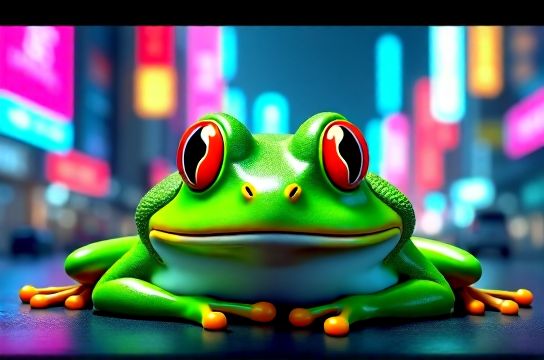
It all started in the late 2000s, back when netizens needed clever ways to dodge censorship. Enter the era of wordplay and visual puns. The legendary 'Grass Mud Horse' (草泥马), which sounds almost identical to a well-known Chinese curse, became an instant classic. It wasn’t just funny — it was rebellious. Suddenly, absurd animal videos and surreal memes weren’t just jokes; they were quiet acts of digital resistance.
Fast forward to today, and memes in China are everywhere — on Weibo, Douyin, Bilibili, even in state media headlines (yes, really). What makes them stand out isn’t just the humor, but how deeply they’re tied to local culture. Take 'involution' (内卷) and 'lying flat' (躺平) — these aren’t just slang terms, they’re entire mindsets wrapped in meme form. A simple image of someone sleeping at their desk with the caption 'I’m not lazy, I’m just lying flat' can spark nationwide debates about work-life balance.
Platforms like Bilibili have turned meme creation into an art form. Animated reaction faces, dubbed voice clips, and remix culture thrive here. Unlike Western memes that often spread fast and die young, Chinese memes tend to evolve — they get remixed, referenced, and reborn across platforms. One viral moment might inspire dozens of spin-offs, each adding a new layer of meaning.
And let’s talk visuals. While Western memes love sarcastic text over still images, Chinese internet humor leans into motion — think exaggerated facial expressions, dramatic zooms, and audio snippets from TV dramas hilariously repurposed. A single five-second clip of an actor yelling can become a template for everything from heartbreak to office rage.
What’s next? As AI tools make meme creation easier and global platforms borrow Chinese-style formats, the line between local and global humor is blurring. But one thing’s clear: Chinese internet culture isn’t just copying trends — it’s setting them.
So whether you’re deep-frying your brain on Bilibili or just trying to understand why everyone’s suddenly obsessed with a cartoon panda smoking a cigarette, remember: in China’s digital world, laughter isn’t just laughter. It’s commentary, connection, and sometimes, quiet rebellion — all wrapped in a ridiculous GIF.