
Cat-faced Emojis and Dog-Themed Jokes: The Zoological Logic of China’s Meme Culture
- Date:
- Views:305
- Source:The Silk Road Echo
You’ve seen them—those sassy cat-face emojis sliding into your DMs, or that oddly specific dog meme making fun of office life in a Chinese startup. Welcome to the wild, weird, and wonderfully relatable world of China’s meme culture, where animals aren’t just pets—they’re punchlines, philosophers, and sometimes, emotional support icons.
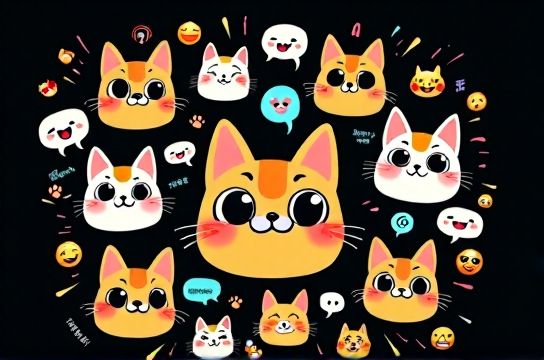
In China, internet slang evolves faster than you can say “ne Zha reboot,” and animals are at the heart of it. Cats? They’re not just lazy loafers on your feed—they’re symbols of chill, irony, and quiet rebellion. Think about the ubiquitous ‘meng’ (萌), meaning cute or adorable. It’s basically the national mood. And who embodies meng better than a wide-eyed, slightly judgmental cat with a tiny hat?
But here’s the twist: cats rule the digital realm, while dogs often carry the weight of real-life metaphors. Ever heard of “tian chong” (舔狗)? Literally “licking dog,” it’s slang for someone desperate for love or approval—usually unrequited. Ouch. It’s harsh, yes, but also darkly humorous, showing how dog-themed jokes reflect social anxieties around relationships and status.
Meanwhile, cat emojis like 🐱💅 or 😼🔥 flood chat groups during salary complaints or dating drama. Why? Because cats don’t care—and we wish we didn’t either. They represent the attitude of *lanshou* (lazy pet), a sarcastic coping mechanism for burnout in China’s hustle culture.
This zoological logic runs deep. Animals become avatars for emotions too complex—or too risky—to express directly. During political sensitivity, for example, people might post a blank-eyed panda pic to hint at numbness. A golden retriever failing to catch a ball? That’s you trying to adult after 3 a.m. coding sessions.
Platforms like Weibo, Douyin, and even workplace app DingTalk are breeding grounds for these memes. Image macros with bold text, exaggerated animal faces, and absurd captions spread like digital wildfire. One popular format: a fat cat lounging with text like 'Today I won’t suffer'—a mantra for anyone drowning in KPIs.
And let’s not forget the commercial side. Brands jump on animal memes fast. Want to sell bubble tea? Put a sleepy cat holding a cup with 'My blood type is milk tea.' Selling skincare? A pug with flawless skin and the tagline 'Even ugly dogs deserve glow-up.' It works because it feels native, not forced.
So why do animals dominate Chinese meme culture? Simple: they’re safe, expressive, and universally understood. In a censored online space, critters provide cover. You can’t ban a sad dog staring into the void—it’s just a dog! But everyone knows it’s really about post-996 exhaustion.
At its core, this trend isn’t just humor. It’s emotional code—a way to say 'I’m tired,' 'I’m lonely,' or 'This system is broken' without getting flagged. And honestly? It’s kind of genius.