
Memes as Resistance: How Netizens Bypass Censorship with Visual Humor
- Date:
- Views:349
- Source:The Silk Road Echo
Let’s be real—when words get too risky, people get creative. Across the globe, internet users in heavily censored regions are turning to memes not just for laughs, but as a form of digital rebellion. From absurd frog pictures to sarcastic cartoon edits, visual humor has become a stealthy weapon against online censorship. And honestly? It’s kind of genius.
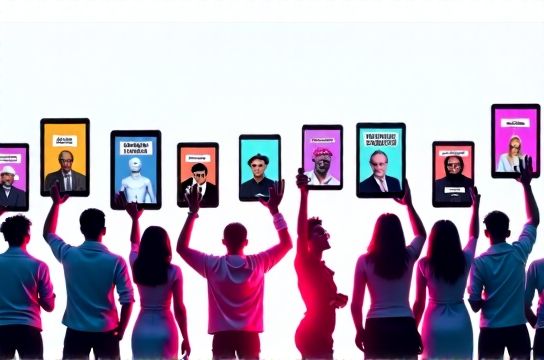
In places where typing certain phrases can land you in trouble, a well-timed meme slips through the cracks like a ninja. Governments may monitor text, block keywords, and filter search results, but detecting satire in a panda wearing sunglasses or a duck asking 'Who, me?'? That’s way harder. Memes operate on irony, absurdity, and cultural context—things algorithms just don’t get. So while censors are busy flagging obvious political terms, netizens are roasting authority figures using nothing but emojis and Photoshop.
Take China, for example. You won’t see open protests on Weibo, but you *will* find Emperor Qianlong texting awkwardly in group chats or state mascots doing cringe dances. These aren’t just jokes—they’re coded commentary. When someone shares a meme of a clueless bear labeled 'Ministry of Truth,' everyone gets the message without saying a word. It’s resistance wrapped in silliness.
And it’s not just East Asia. In Iran, Turkey, and Russia, activists use meme warfare to mock corruption, dodge surveillance, and spread awareness. A photo of a politician with cat ears might seem harmless, but when thousands share it after a controversial speech, it becomes a viral middle finger.
What makes memes so powerful is their plausibility. If questioned, users can always say, 'It’s just a joke!' That deniability is key. Unlike manifestos or protest signs, memes fly under the radar because they’re ambiguous, fast-moving, and often ridiculous. Platforms struggle to moderate them without looking absurd themselves—imagine banning a banana with a mustache for 'subversive content.' Good luck explaining that policy.
Plus, memes evolve at lightning speed. Once one version gets flagged, five new ones pop up. It’s like censorship whack-a-mole, except the moles are now dressed as historical figures riding dinosaurs. The internet’s sense of humor adapts faster than any government filter.
Of course, it’s not all fun and games. Some creators still face risks, and not every meme lands. But the fact remains: visual humor has become a survival tool in the digital age. It builds community, spreads truth, and keeps spirits high—even under pressure.
So next time you see a weird image macro flying around, don’t scroll past too fast. That silly cat might be making a serious point.