
‘Tan90’ and Beyond: Mapping Emotional Trends in China’s Digital Youth Culture
- Date:
- Views:363
- Source:The Silk Road Echo
You’ve probably seen it—those dramatic, almost theatrical outbursts online where someone types ‘tan90’ (literally meaning ‘collapse at 90 degrees’) to describe an emotional meltdown. It’s not just slang; it’s a cultural signal. In China’s fast-moving digital landscape, Gen Z isn’t just texting—they’re expressing entire emotional ecosystems through memes, abbreviations, and viral gestures. And ‘tan90’? That’s just the tip of the iceberg.
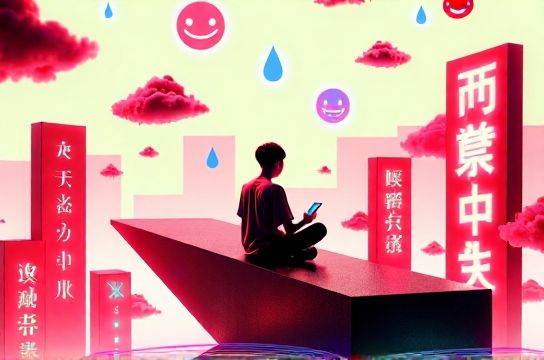
So what does ‘tan90’ actually mean? Picture this: you’ve pulled an all-nighter, your crush just ghosted you, and the last boba tea in town is sold out. You slump forward dramatically—like a noodle losing its stiffness—and that’s tan90. It’s the digital-age equivalent of ‘I can’t even,’ but with flair. The phrase originated from anime and gaming culture, where characters literally fall over when overwhelmed. Now, it’s everywhere—from Weibo rants to Douyin captions.
But here’s the thing: behind the humor lies real emotion. Chinese youth are using terms like tan90, ‘emo’, and ‘neijuan’ (involution) to cope with academic pressure, job market anxiety, and social expectations. These aren’t just jokes—they’re coping mechanisms wrapped in internet irony. When a college student tweets ‘just tan90’d after seeing their exam results,’ they’re not just being dramatic. They’re signaling distress in a language their peers understand instantly.
Platforms like Xiaohongshu and Bilibili have become emotional safehouses. Users post ‘mental health check-in’ videos, share self-care routines, or simply caption a rainy-day photo with ‘feeling tan90 today.’ It’s raw, relatable, and refreshingly honest. Unlike older generations who might suppress emotions, Gen Z embraces vulnerability—but on their own terms. They’ll cry-laugh at a meme about burnout while sipping bubble tea, turning pain into punchlines.
And let’s talk about aesthetics. The visual language of tan90 culture is unmistakable: pastel sadness, glitch art, lo-fi bedroom streams, and anime avatars with exaggerated tears. It’s melancholy served with cuteness—a mix of kawaii and existential dread. This duality defines much of China’s youth expression today: playful on the surface, deeply reflective underneath.
Brands have noticed. From local skincare lines using ‘anti-tan90 energy’ in ads to cafes offering ‘emotional recovery sets,’ companies are tapping into this emotional wave. But the savviest ones don’t exploit it—they empathize. They use soft lighting, gentle tones, and inclusive messaging that says, ‘We see you. It’s okay to collapse at 90 degrees.’
So where’s this headed? As mental wellness becomes less stigmatized, we’re likely to see more open conversations—and new slang—to match. Maybe tomorrow’s keyword will be ‘zhan30’ (stand up at 30 degrees), symbolizing slow recovery. Or perhaps ‘buou,’ a blend of 不 ok (not ok) and 悲伤 (sadness), will go viral.
One thing’s clear: in China’s digital youth culture, emotion isn’t hidden—it’s hashtagged, memed, and magnified. And ‘tan90’ isn’t just a trend. It’s a heartbeat.