
From Rural Reels to City Laughs: Class Dynamics in Kuaishou Content
- Date:
- Views:286
- Source:The Silk Road Echo
You’ve probably scrolled past them—those raw, unfiltered videos of farmers dancing in muddy boots, small-town singers belting out ballads under flickering LED lights, or grandmas teaching you how to make dumplings the ‘right’ way. Welcome to Kuaishou, China’s other social media giant, where real life isn’t just content—it’s the whole point. While Douyin serves up polished trends and city glam, Kuaishou thrives on authenticity, especially from China’s vast rural and working-class communities. But here’s the twist: as urban audiences flock to these 'down-to-earth' clips for a laugh or a dose of nostalgia, a subtle cultural divide is playing out—one shaped by class, perception, and who gets to define what’s ‘cool.’
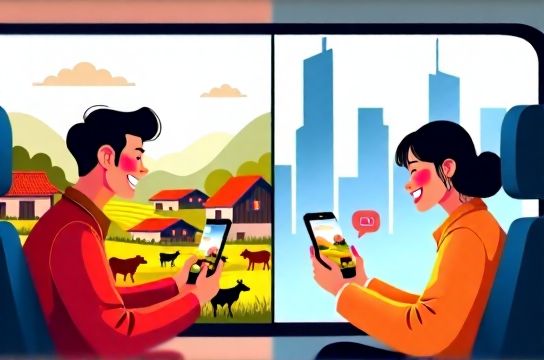
Kuaishou started with a simple idea: everyone deserves a stage. Unlike platforms that reward virality through algorithmic perfection, Kuaishou’s early design emphasized fairness, giving even users with ten followers a shot at visibility. This opened the floodgates for creators outside Beijing, Shanghai, or Shenzhen—the folks often ignored by mainstream media. Truck drivers, factory workers, village livestreamers selling apples or handmade noodles—they built massive followings not by chasing trends, but by being themselves.
But as these rural reels gained traction, something shifted. Urban viewers began treating them like comedy shows. A farmer doing a quirky dance? Hilarious. A man passionately reciting poetry in a cornfield? Quirky. What many don’t realize is that behind these moments lies real struggle, pride, and identity. For many rural creators, Kuaishou isn’t just entertainment—it’s income, visibility, and dignity in a society that often overlooks them.
The platform has become a mirror reflecting China’s deep-seated urban-rural gap. City dwellers consume rural content with a mix of fascination and condescension, sometimes labeling it ‘bizarre’ or ‘tacky’ without recognizing the context. Meanwhile, rural users aren’t just passive subjects—they’re building economies. Live-stream selling has turned unknown villagers into local entrepreneurs, moving everything from live chickens to hand-carved furniture.
Yet, there’s power in this visibility. As more rural voices gain influence, the narrative is slowly changing. What once was mocked is now sometimes celebrated—authenticity is trending, even in cities. And let’s be real: without Kuaishou, would we know how much joy a piglet race in Heilongjiang can bring?
In the end, Kuaishou isn’t just about viral videos. It’s about class, connection, and the messy, beautiful reality of modern China. So next time you laugh at a ‘hilarious’ rural clip, ask yourself: am I laughing with them—or at them?