
The Semiotics of the ‘Buddhist Style’ Meme in Mainland China
- Date:
- Views:296
- Source:The Silk Road Echo
You’ve probably seen it — that laid-back, almost indifferent vibe sweeping through Chinese social media. We’re talking about the ‘Buddhist Style’ meme, or 佛系 (fó xì), and no, it’s not actually about religion. Forget chanting or meditation; this trend is all about chilling hard in a world that never stops moving. So what’s behind this ironic internet slang? Let’s break it down — the meaning, the mood, and why millions of young Chinese netizens are suddenly pretending to be monks (but still scrolling TikTok).
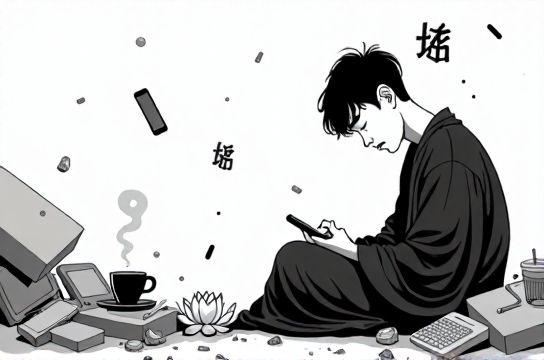
First off, ‘Buddhist Style’ isn’t spiritual — it’s sarcastic. It emerged around 2017 when a Japanese magazine article about low-desire lifestyles went viral in China. Netizens took the idea and ran with it, slapping the label on everything from dating ("I’ll date if it happens, no big deal") to work ("My boss can yell, I’m just here for the paycheck"). The core attitude? Detachment. No stress. No drama. "Whatever, I’m fine either way." Sound familiar? That’s because it’s basically Gen Z’s emotional survival tactic.
But here’s the twist: calling it 'Buddhist' is kind of a joke. Real Buddhism involves discipline and enlightenment. This meme? It’s more like burnout dressed up as enlightenment. Young people in China face insane pressure — sky-high housing costs, cutthroat jobs, endless hustle culture. So instead of rebelling loudly, they’re rebelling quietly. "I don’t care" becomes a form of resistance. It’s passive-aggressive peace.
The semiotics — yeah, the signs and symbols — are everywhere. Think minimalist avatars, gray-toned selfies, captions like "no strong desire, no strong disappointment." Even brands jumped on it. Car ads say, "Drive calmly, arrive eventually." Dating apps add a 'Buddhist Mode' where matches happen randomly. The aesthetic is anti-hustle, anti-FOMO, anti-everything that screams 'you’re falling behind.' And ironically, that’s exactly what makes it so loud.
So why does this matter? Because memes aren’t just jokes — they’re cultural snapshots. The 'Buddhist Style' reflects a generation emotionally exhausted by overachievement. It’s not laziness; it’s self-preservation. By adopting the language of detachment, young people create space to breathe — even if it’s just online.
In short, 'Buddhist Style' is less about faith and more about fatigue. It’s a digital shrug in a society that demands constant effort. And while it might seem like giving up, it’s actually a clever, quiet 'no' to burnout culture. So next time you see someone say, 'I’m so Buddhist about life,' know this: they’re not zen. They’re surviving.