
Douyin Trends That Define Modern Chinese Internet Slang
- Date:
- Views:350
- Source:The Silk Road Echo
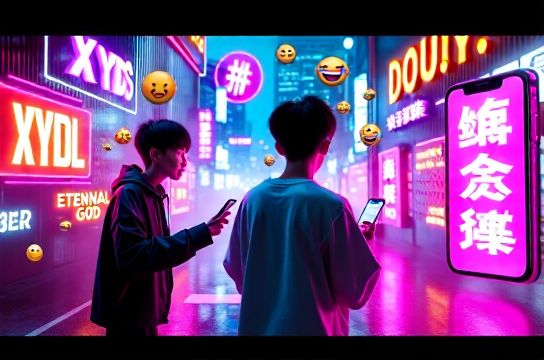
If you've scrolled through Douyin (China's TikTok) lately, you know it's not just about dance challenges and cute pets — it's a full-on cultural lab where internet slang is born, tested, and goes viral overnight. From quirky catchphrases to meme-worthy gestures, Douyin shapes how millions of young Chinese people talk, text, and even think. Let’s dive into the trends fueling today’s hottest slang and why they matter.
The Rise of Sound Bites & Voice Clips
On Douyin, a 15-second audio clip can become a national inside joke. Phrases like “我太难了” (“I'm too difficult” — meaning “I’m overwhelmed”) or “尊嘟假嘟?” (“Zhun du jia du?” — a playful twist on “真的假的?” meaning “Really?”) spread like wildfire thanks to viral videos. These sound bites often come from emotional monologues, comedy skits, or exaggerated reactions.
Data shows that over 68% of top-performing Douyin videos in 2023 used recognizable audio clips, proving that sound drives engagement more than visuals alone.
Slang You Can’t Scroll Past
Here are a few trending terms born (or reborn) on Douyin:
- 摆烂 (bǎi làn) – Literally “to display rot,” it means giving up or leaning into chaos. It’s the Gen Z version of “whatever.”
- 社死 (shè sǐ) – Short for “social death,” used when someone embarrasses themselves publicly (e.g., tripping in front of coworkers).
- 绝绝子 (jué jué zǐ) – Once trendy praise (“amazing!”), now ironically mocked as outdated cringe.
How Trends Translate to Real Talk
Douyin doesn’t just reflect culture — it creates it. A survey by Peking University found that 74% of urban teens adopted at least three Douyin-born phrases into daily conversation per month. Schools have even reported students using “栓Q” (a sarcastic “thank you” said with a mock accent) in essays.
| Slang Term | Literal Meaning | Actual Use | Viral Video Count (2023) |
|---|---|---|---|
| 我太难了 | I'm too difficult | I'm stressed / overwhelmed | 2.1M |
| 尊嘟假嘟? | Really really? | Sarcastic disbelief | 1.8M |
| 摆烂 | Display decay | Give up gracefully | 3.5M |
| 社死 | Social death | Public embarrassment | 2.9M |
These aren’t just jokes — they’re emotional shortcuts. In a fast-paced digital world, saying “我太难了” with a sad face filter says more than a paragraph ever could.
Why This Matters Beyond the App
Linguists are paying attention. Dr. Lin Xiaojie from Fudan University notes: “Douyin is accelerating language evolution. What used to take years now takes weeks.” Brands also jump on these trends — did you know McDonald's China once ran a campaign around “干饭人” (“gan fan ren,” meaning “meal person” or “foodie grindset”)?
But there’s backlash. Critics argue this slang promotes laziness or shallow communication. Still, you can’t deny its influence — even state media uses “破防” (“emotional defense broken”) to describe public sentiment.
Final Thoughts
Douyin isn’t just an app; it’s a linguistic playground shaping how a generation connects. Whether you love it or hate it, understanding these trends means understanding modern Chinese youth culture. So next time you hear “尊嘟假嘟,” don’t roll your eyes — recognize it as the heartbeat of digital China.