
Chinese Internet Slang That Started as Jokes on Kuaishou
- Date:
- Views:328
- Source:The Silk Road Echo
If you've ever scrolled through Kuaishou, China’s answer to TikTok but with a more grassroots vibe, you’ve probably stumbled upon some wild, hilarious, and sometimes totally confusing internet slang. What’s wild? A lot of today’s most popular Chinese internet phrases actually started as inside jokes on Kuaishou — born from livestreams, viral skits, or just random comments that somehow caught fire.
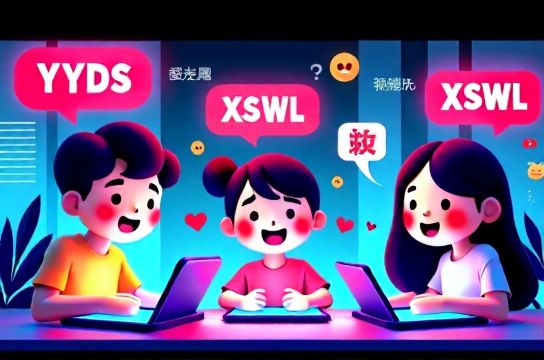
Let’s dive into the digital backstreets of Kuaishou culture and explore how everyday banter turned into nationwide slang.
From Livestream Laughs to National Lexicon
Kuaishou isn’t just about dance videos. It’s a cultural incubator. Users from smaller cities and rural areas dominate the platform, bringing authenticity, humor, and a unique linguistic flair. When someone says “666” (meaning “awesome”), it might seem generic now — but years ago, it blew up thanks to gamers live-streaming on Kuaishou.
Another classic? “XSWL” — short for xiao si wo le (笑死我了), meaning “laughing to death.” It started in comment sections under absurdly funny clips — like a farmer trying to ride a goat like a horse — and now even brands use it in ads.
The Evolution of Kuaishou Slang: Key Examples
Here’s a breakdown of slang terms that began as jokes and went mainstream:
| Slang | Original Meaning | Literal Translation | How It Went Viral |
|---|---|---|---|
| YYDS | Yongyuan de shenshen | Eternal God | Fans chanting during esports streams |
| DBQ | Dui bu qi | Sorry | Used sarcastically in argument skits |
| U1S1 | You yi si yi | To be honest | Comment debates on weird fashion trends |
| Wocao | Expletive | What the heck | Reaction to shocking stunts |
These abbreviations aren’t just lazy typing — they’re cultural shorthand. They reflect speed, irony, and community bonding. On Kuaishou, being relatable matters more than being polished.
Why Kuaishou Breeds Slang Like Nowhere Else
Unlike Weibo or Douyin, Kuaishou thrives on unfiltered content. Real people, real accents, real drama. A guy named “Brother Drag Queen” once said “Zhe diao mao shi zhen de!” (“This cat is actually real!”) while holding a hairbrush — and yes, it became a meme. The phrase got remixed, quoted, and eventually shortened to ZDM in texts.
Data shows that over 70% of Gen Z users in China encounter new slang first on short-video platforms, with Kuaishou leading regional innovation. According to iResearch (2023), Kuaishou generated over 40% of trending slang in lower-tier cities — proving its influence beyond entertainment.
Conclusion: More Than Just Jokes
What starts as a joke on Kuaishou often becomes part of daily conversation. These slang terms are more than words — they’re digital identity markers. They signal belonging, humor, and awareness of internet culture. So next time you hear “YYDS,” remember: it wasn’t born in a studio. It was shouted by a fan in a livestream, and the internet never forgot.