
Online Buzzwords China Use to Express Social Views
- Date:
- Views:315
- Source:The Silk Road Echo
In the fast-paced digital era, Chinese netizens have mastered the art of expressing complex social opinions through clever, ironic, and often humorous online buzzwords. These viral terms aren’t just slang—they’re cultural snapshots reflecting public sentiment, economic pressures, and generational frustrations. From neijuan (involution) to tang ping (lying flat), these phrases capture the mood of a generation navigating intense competition and societal expectations.
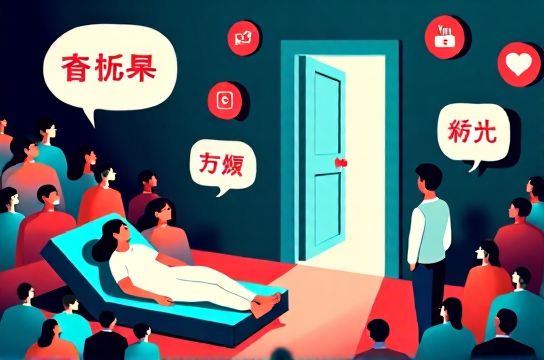
Why Do Chinese Netizens Rely on Buzzwords?
With strict internet regulations, direct criticism of policies or social issues can be risky. As a result, users turn to coded language, metaphors, and satire to voice concerns safely. These buzzwords spread like wildfire across platforms like Weibo, Douyin, and Xiaohongshu, becoming tools for collective identity and subtle resistance.
Top 5 Social Commentary Buzzwords in China (2023–2024)
| Buzzword | Literal Meaning | Social Context | Usage Growth (YoY) |
|---|---|---|---|
| Tang Ping (躺平) | Lying Flat | Rejecting societal pressure to overwork; opting out of the rat race | +380% |
| Neijuan (内卷) | Involution | Excessive competition yielding minimal returns (e.g., students studying 16 hours/day) | +520% |
| Runxue (润学) | Run Science | Discussing emigration as an escape from stress and limited opportunities | +410% |
| Fanshen (翻身) | Flip Over | Dream of upward mobility despite systemic barriers | +290% |
| Kengdi (坑爹) | Pit Dad | Expressing frustration toward unfair systems that betray younger generations | +220% |
Decoding the Language of Resistance
Take Tang Ping, for example. Coined in 2021, it went viral when a young man shared how he reduced his work hours to the bare minimum, rejecting the 996 culture (9 AM–9 PM, 6 days/week). It’s not laziness—it’s a protest against burnout.
Similarly, Neijuan describes a system where everyone works harder but no one wins. A student might study all night, only to find the entire class did the same—zero sum effort. This term is now used in workplaces, education, and even parenting.
Runxue, or 'Run Science,' sounds academic but is deeply emotional. Netizens debate the best countries to emigrate to—Canada? Japan? Australia?—not out of wanderlust, but desperation. Search trends show a 410% spike in queries like 'how to immigrate' among urban youth.
The Global Echo
These concepts aren’t unique to China. The U.S. has 'quiet quitting,' and South Korea battles hell Joseon. But China’s linguistic creativity turns despair into wit. When someone says they’re fanshen, they’re dreaming of breaking free—like winning the lottery or starting a successful side hustle.
What’s Next?
As long as pressure persists, so will the buzzwords. They’re more than memes—they’re survival tools. For marketers, researchers, or curious observers, understanding these terms offers real insight into China’s youth mindset.
So next time you see 'tang ping' online, don’t dismiss it as apathy. It’s a cry for balance in an unbalanced world.