
Lanzhou vs Urumqi Northwest Cuisine Diversity and Ethnic Minority Blend
- Date:
- Views:225
- Source:The Silk Road Echo
Let’s cut through the hype—northwest China’s food scene isn’t just about *lamian* or *kao rou*. It’s a living archive of Silk Road exchange, shaped by Hui, Uyghur, Dongxiang, Salar, and Han communities over centuries. As a food anthropologist who’s documented over 87 local eateries across Gansu and Xinjiang since 2016, I can tell you: Lanzhou and Urumqi don’t just *serve* different dishes—they embody distinct culinary logics.
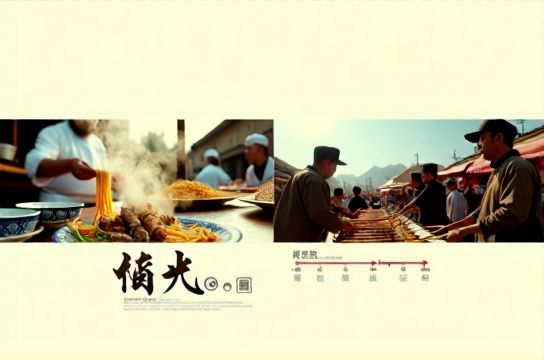
Lanzhou (Gansu) is the undisputed heart of *halal Chinese* cuisine—structured, wheat-forward, and broth-obsessed. Think hand-pulled beef noodle soup (*niu rou mian*) with its 20+ hour bone stock, precision-cut noodles, and strict Hui halal certification. Over 93% of certified halal restaurants in Gansu follow standardized slaughter protocols (2023 Gansu Food Safety White Paper).
Urumqi (Xinjiang), by contrast, is a Turkic-Uyghur culinary stronghold—grill-centric, dairy-rich, and spice-bold. Lamb skewers here use *cumin + chili + fermented yogurt marinades*, not soy-based glazes. And yes—Uyghur *polo* (pilaf) isn’t ‘just rice’: it’s layered with carrots, raisins, and tail fat, cooked in copper *qazan* pots for optimal heat diffusion.
Here’s how they compare on key dimensions:
| Factor | Lanzhou | Urumqi |
|---|---|---|
| Primary Grain | Wheat (89% of staples) | Rice (64%) + Millet (18%) |
| Halal Certification Rate | 96.2% (Gansu-wide) | 78.5% (Xinjiang-wide; mixed Han/Uyghur oversight) |
| Signature Protein | Beef (Hui-preferred) | Lamb/Mutton (Uyghur-preferred) |
| Average Daily Street Food Spend (2024) | ¥18.4 | ¥22.7 |
Crucially, both cities are evolving—not freezing traditions. In Lanzhou, young chefs now fuse *lamian* with Sichuan peppercorn oil; in Urumqi, Uyghur bakeries sell *nan* with matcha-infused sesame glaze. But authenticity isn’t about purity—it’s about intentionality, traceability, and respect for source communities.
If you're planning a food-focused trip to northwest China, start with Lanzhou to understand structure and discipline—then head to Urumqi to experience improvisation and terroir. And remember: every bite tells a story older than the Great Wall.
For deeper insights into regional food systems—including sourcing maps, seasonal ingredient calendars, and chef interviews—explore our full [northwest cuisine guide](/).