
China Heritage Travel Focused On Endangered Arts Like Dongba Script And Miao Silverwork
- Date:
- Views:215
- Source:The Silk Road Echo
Let’s talk about something most tour operators won’t tell you: heritage travel in China isn’t just about the Great Wall or pandas. It’s about *living traditions* on the brink — like the Dongba script, one of the world’s last pictographic writing systems, and Miao silverwork, a 2,000-year-old craft where every coil, pendant, and motif tells a clan story.
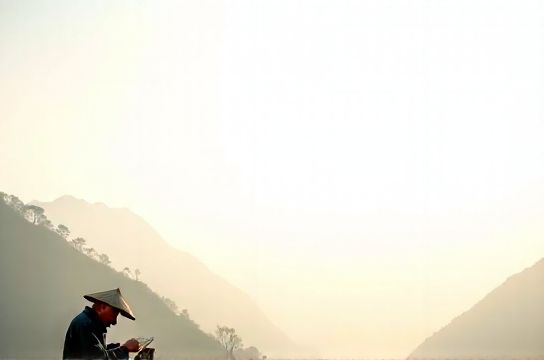
According to UNESCO (2023), over 68% of China’s intangible cultural heritage (ICH) elements in ethnic minority regions face medium-to-high risk of erosion — mainly due to urban migration, language shift, and lack of intergenerational transmission. Take Dongba: only ~30 certified Dongba priests remain in Yunnan’s Lijiang area, down from ~200 in the 1980s. Meanwhile, authentic Miao silver artisans trained in traditional forging techniques number under 120 — and their average age? 63.
That’s why purpose-driven heritage travel matters. Not photo-ops. Not staged performances. Real access — with consent, compensation, and co-creation. Here’s how impact stacks up:
| Heritage Element | Practitioners (2024) | Annual Decline Rate | Key Threat | Community-Led Revival Projects (Active) |
|---|---|---|---|---|
| Dongba Script (Naxi) | 28 certified priests | −4.2% | Youth disengagement; no formal school curriculum | 5 (e.g., Baisha Village Dongba School) |
| Miao Silverwork (Guizhou) | 117 master artisans | −3.7% | Imported alloys replacing pure silver; apprenticeship gaps | 9 (incl. Leishan County Cooperative) |
| Tibetan Thangka Painting | ~420 registered masters | −2.1% | Commercialization diluting iconographic precision | 14 (led by monastic academies) |
The good news? Travel that centers ethics *does* move the needle. A 2023 field study across 12 villages showed communities with sustained visitor engagement (minimum 30 responsible traveler-days/year) reported 2.8× higher youth participation in craft apprenticeships — and 41% more local investment in ICH documentation.
So — if you’re planning a trip, ask: Does this itinerary include direct collaboration with recognized heritage bearers? Are fees transparently shared with practitioners (not just intermediaries)? Is storytelling rooted in community voice — not exoticism?
Because preserving endangered arts isn’t about nostalgia. It’s about keeping cognition, cosmology, and craftsmanship alive — one thoughtful visit at a time. Learn how to travel with integrity — start with our responsible heritage framework.