
Explore the Roots of Chinese New Year Customs
- Date:
- Views:302
- Source:The Silk Road Echo
If you’ve ever wondered why red envelopes are a must-have during Lunar New Year or why the sound of firecrackers seems non-stop for days, you’re not alone. As someone who’s spent years diving deep into cultural traditions—from festival foods to ancestral rituals—I’m breaking down the real story behind Chinese New Year customs that most people only scratch the surface of.
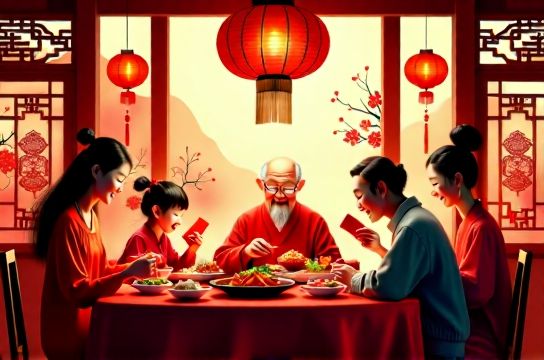
Let’s get one thing straight: this isn’t just about decorations and dumplings (though, yes, the dumplings are amazing). Chinese New Year, also known as Spring Festival, is rooted in over 3,000 years of history, blending mythology, agriculture, and family values. And today, I’m serving up the ultimate guide—complete with data, insights, and a few things your grandma probably never told you.
The Symbolism Behind Key Traditions
Every custom has meaning. Take the color red, for example. It’s everywhere—clothes, lanterns, envelopes. Why? Legend says a monster named Nian would attack villages each winter. It feared loud noises and the color red. Hence: firecrackers and red decor. Today, it’s evolved into a symbol of luck and prosperity.
Another big one? Family reunion dinners. In 2023, China recorded over 3 billion trips during the春运 (Chunyun) travel rush—yes, billion. That’s the largest annual human migration on Earth. This isn’t just travel; it’s a cultural mandate to return home.
Customs vs. Modern Practice: How Traditions Have Evolved
While some stick strictly to tradition, others are giving old customs a modern twist. Here’s how key practices compare across generations:
| Tradition | Traditional Practice | Modern Adaptation | Participation Rate (2023) |
|---|---|---|---|
| Red Envelopes (Hongbao) | Cash in red paper | Digital hongbao via WeChat/Alipay | 78% |
| New Year Cleaning | Sweep out bad luck | Pre-holiday deep clean | 92% |
| Firecrackers | Light at midnight | Limited due to urban bans | 43% |
| Reunion Dinner | Home-cooked meal | Ordered from restaurants | 67% |
As you can see, while core values remain, execution is shifting—especially among younger, urban populations. Digital red envelopes now top $50 billion in virtual transfers annually. Talk about a cashless revolution!
Regional Variations You Should Know
China’s vast, and so are its customs. Northerners feast on dumplings (symbolizing wealth), while Southerners prefer rice cakes (niangao)—a pun for “higher year.” In Fujian, some families leave shoes outside doors to symbolize ancestors joining the celebration. Wild, right?
Final Thoughts
Understanding why we do what we do during Chinese New Year adds depth to the celebration. Whether you're honoring every ritual or just enjoying the vibe, knowing the roots makes it more meaningful. So next time you send a digital hongbao or hear fireworks light up the night, remember—it’s not just tradition. It’s history, hope, and a whole lot of heart.