
Learn Folk Customs on a Deep China Tour
- Date:
- Views:218
- Source:The Silk Road Echo
If you're tired of the same old Great Wall and Forbidden City tours, it’s time to go deeper — way deeper. I’m talking about a Deep China Tour that dives into rural villages, ancient traditions, and living folk customs most travelers never see. As someone who’s led cultural tours across Yunnan, Guizhou, and Guangxi for over a decade, let me tell you: real China isn’t in the skyscrapers. It’s in the rice fields, drum towers, and midnight festivals.
Why Folk Customs Matter in Travel
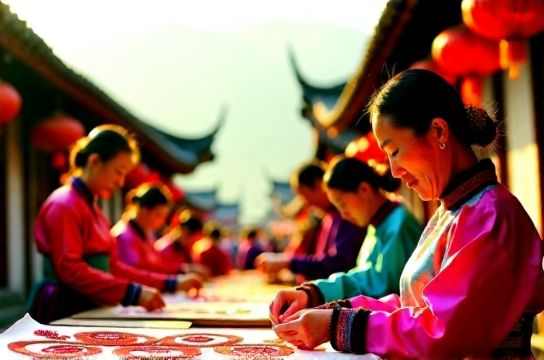
Tourism often flattens culture into photo ops. But when you learn folk customs firsthand — joining a Miao wedding dance or helping make Naxi paper — you’re not just observing. You’re participating. And that changes everything.
According to UNESCO, over 30% of China’s intangible cultural heritage comes from ethnic minority regions — many accessible only through immersive travel. That’s why I always recommend going beyond guided group trips and opting for community-based experiences.
Top 4 Regions for Authentic Folk Experiences
Not all deep tours are equal. Here’s where you’ll get the richest cultural immersion:
| Region | Key Ethnic Group | Famous Custom | Best Time to Visit |
|---|---|---|---|
| Guizhou | Miao & Dong | Sister's Meal Festival | March–April |
| Yunnan | Naxi & Dai | Water Splashing Festival | April |
| Guangxi | Zhuang | Song Fair (Gexu) | March |
| Sichuan | Tibetan | Butter Lamp Festival | February |
Pro tip: The Deep China Tour operators with local partnerships can get you invited to private ceremonies — something standard tour agencies can’t do.
How to Choose the Right Tour Operator
Look for companies that co-design trips with village councils. Ask: Do guides come from the communities you’re visiting? Is part of your fee reinvested locally?
I’ve seen too many ‘cultural’ tours where actors perform rehearsed dances for cash. Real folk customs aren’t shows — they’re lived traditions. If everyone’s smiling but no one’s laughing? That’s a red flag.
Final Thoughts
A Deep China Tour isn’t about checking boxes. It’s about connection. When you learn folk customs from those who live them, you don’t just see another culture — you begin to understand it. And honestly? That’s the kind of travel that stays with you long after the souvenirs fade.