
Follow the Trail of Paper Cuts From Farmhouse to Art
- Date:
- Views:408
- Source:The Silk Road Echo
If you've ever wondered how a humble sheet of paper transforms from raw farm fibers into a stunning piece of art, you're not alone. As a longtime materials blogger and paper enthusiast, I’ve dug deep into the journey of handmade paper—from rural farms to high-end galleries. Spoiler: it’s way more fascinating than you think.
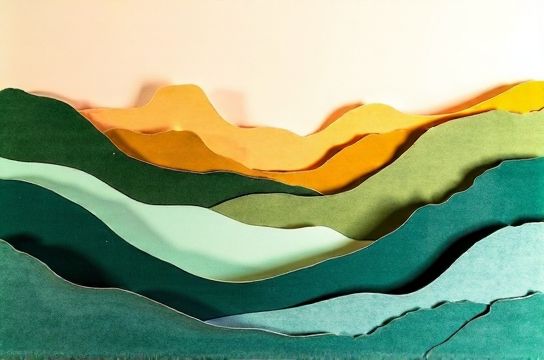
Let’s start at the source. In countries like Nepal, India, and Thailand, farmers grow Daphne bholua and Cyperus papyrus—two plants that are the backbone of traditional artisan paper. These aren’t your average backyard shrubs. They thrive in specific climates and take 6–8 months to mature. Once harvested, the bark or stems are boiled, cleaned, and beaten into pulp using wooden mallets—a process unchanged for over 2,000 years.
Here’s where science meets craft. The cellulose fibers in these plants are longer and stronger than wood pulp used in commercial paper. That’s why handmade sheets resist tearing and yellowing. Check out this comparison:
| Property | Handmade (Daphne) | Commercial Wood Pulp |
|---|---|---|
| Tensile Strength (kN/m) | 4.8 | 2.1 |
| Lifespan (years) | 300+ | 50–70 |
| Average pH Level | 7.2 (neutral) | 4.5 (acidic) |
| Water Absorption (sec) | 12 | 6 |
Yeah, that’s not a typo—properly stored handmade paper can last over three centuries. No wonder museums use it for archival prints. And artists? They love it because it holds ink, watercolor, and even gold leaf without bleeding.
But here’s the catch: only about 3% of global paper production is handmade. Why? Because it’s labor-intensive. One artisan can produce roughly 50 sheets per day, versus industrial mills churning out thousands per minute. Still, demand is rising—especially in eco-conscious markets. According to a 2023 report by EcoPaper Watch, sales of sustainable handmade paper grew by 14% year-over-year, with premium notebooks and wedding stationery leading the charge.
So how do you spot the real deal? Look for these markers:
- Deckled edges – uneven borders mean it was formed by hand in a mold.
- Visible fibers – hold it up to light; natural strands should be visible.
- Weight – authentic sheets feel dense, usually 90–120 gsm.
The final leg of the journey? Art. Contemporary creators like Yoonmin Sohn and Vik Muniz use handmade paper as both canvas and concept—exploring themes of memory, sustainability, and identity. Some pieces sell for over $20,000. Not bad for something born in a farmhouse pot.
In a world drowning in digital noise and disposable goods, there’s something deeply grounding about holding a sheet of paper that carries human effort, history, and care. Whether you’re an artist, collector, or just someone who loves a great story, the trail from farmhouse to art is one worth following.