
Experience the Soul of China Through Handmade Treasures
- Date:
- Views:319
- Source:The Silk Road Echo
If you’ve ever flipped through a souvenir shop and felt like everything’s just… mass-produced plastic with a fake ‘Chinese style’ stamp, you’re not alone. But here’s the real tea: the soul of China isn’t in those factory-made trinkets — it’s in the handmade treasures crafted by artisans who’ve spent decades perfecting their art. From Suzhou silk embroidery to Jingdezhen porcelain, these pieces aren’t just beautiful — they’re cultural time capsules.
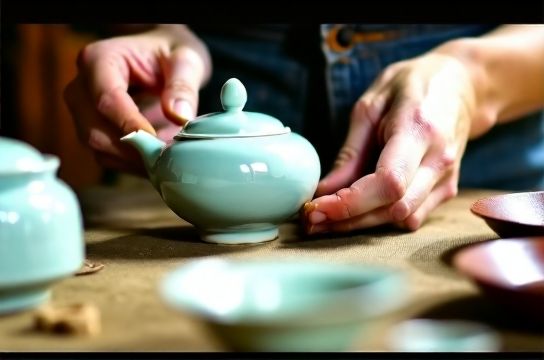
Why Handmade Beats Factory Any Day
Let’s talk numbers for a sec. According to China’s Ministry of Culture, over 1,500 intangible cultural heritage items are officially recognized, and more than 40% involve handmade craftsmanship. Yet, less than 15% of souvenirs sold to tourists actually come from authentic artisan workshops. That means most people are missing the real deal.
So how do you spot the genuine article? Here’s a quick breakdown:
| Feature | Authentic Handmade | Mass-Produced Imitation |
|---|---|---|
| Production Time | Days to months | Minutes to hours |
| Price Range (USD) | $50–$500+ | $5–$30 |
| Unique Details | Yes (signatures, slight variations) | No (identical copies) |
| Cultural Significance | High (passed through generations) | Low or none |
See the difference? Real handmade Chinese crafts take time, skill, and heart. And yeah, they cost more — but you’re not just buying an object. You’re supporting a living tradition.
Top 3 Must-Know Artisan Hubs
- Jingdezhen, Jiangxi – Known as the “Porcelain Capital,” this city has been firing kilns since the Han Dynasty. Local artisans still use traditional wood-fired dragon kilns. Pro tip: Visit during the annual Ceramic Expo in October.
- Suzhou, Jiangsu – Home of silk embroidery so fine, a single piece can take over a year to complete. The Shuangmian Xiu technique features designs visible on both sides of the fabric — mind-blowing detail.
- Yixing, Jiangsu – Famous for its purple clay teapots. These aren’t just cute — they enhance tea flavor over time. Collectors often pay thousands for pots made by master craftsmen.
Now, you might be thinking: "Can I even afford this?" Honestly? You don’t need to drop $1,000 to own something meaningful. Even small items like hand-carved bookmarks or embroidered coin purses start around $20–$40 and come straight from the source.
How to Buy Smart (And Ethically)
Not all online shops are equal. Look for platforms that partner directly with artisan cooperatives. For example, China’s official Intangible Heritage Marketplace certifies sellers and shares maker stories — transparency you won’t get on Amazon or AliExpress.
Also, ask questions: Where was this made? Who made it? If they can’t tell you, walk away. Authenticity matters.
Bottom line? Skip the junk. Invest in beauty with history. When you hold a real handmade treasure, you’re not just owning art — you’re keeping a legacy alive.