
Learn From Masters Keeping Chinese Culture Alive Today
- Date:
- Views:238
- Source:The Silk Road Echo
If you’ve ever wondered how ancient traditions stay vibrant in today’s fast-paced world, you’re not alone. As a cultural blogger who’s spent years diving into the heartbeat of Chinese culture, I’ve seen firsthand how modern masters are redefining heritage—not by freezing it in time, but by breathing new life into it.
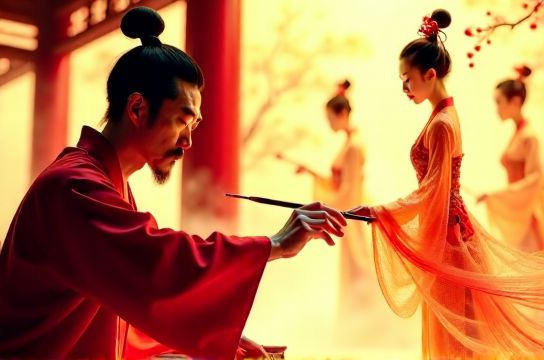
Take calligraphy, for example. Once seen as a fading art, it’s now thriving—thanks to innovators blending brushwork with digital design. According to UNESCO, over 60% of China’s intangible cultural heritage relies on master-apprentice transmission. But here’s the twist: today’s apprentices aren’t just in temples or family studios—they’re on TikTok and Bilibili.
Why Traditional Arts Are Making a Comeback
The secret? Relevance. Modern practitioners know that to keep Chinese culture alive, they must connect it to everyday life. Take these key areas where tradition meets trend:
| Art Form | Traditional Roots | Modern Revival (2023) | Growth Driver |
|---|---|---|---|
| Chinese Calligraphy | Tang Dynasty mastery | 5M+ social media creators | Digital fonts & NFTs |
| Peking Opera | 18th-century court art | VR performances + anime crossovers | Youth engagement |
| Tea Ceremony | Song Dynasty rituals | Boutique cafés in 150+ cities | Lifestyle branding |
| Shadow Puppetry | 1,000+ years old | Animated shorts on YouTube | Edutainment for kids |
This isn’t nostalgia—it’s evolution. And the numbers don’t lie. A 2023 report from the China Cultural Industry Association shows a 34% year-on-year increase in revenue from traditional arts fused with tech.
Meet the New Guardians of Heritage
Forget dusty museums. The real action is with people like Li Wei, a third-generation puppeteer who now runs a studio teaching shadow play through Zoom. Or Mei Lin, a tea master who launched a subscription box that pairs Song-era brewing methods with mindfulness apps.
These aren’t just artists—they’re educators, entrepreneurs, and influencers. They understand that preserving culture means making it accessible. And let’s be real: if your grandma’s embroidery techniques can become a viral DIY TikTok series, why shouldn’t they?
How You Can Engage (Without Being a Master)
You don’t need decades of training to participate. Start small:
- Try a workshop: Platforms like Xiaohongshu list hundreds of local classes—from ink painting to guqin music.
- Support ethical brands: Look for labels certified by the Intangible Cultural Heritage Protection Center.
- Share stories: Post about your experience. Authentic word-of-mouth still beats algorithms.
In a world obsessed with the next big thing, there’s power in looking back—wisely. The future of Chinese culture isn’t about choosing between old and new. It’s about mastering both.