
Trace the Roots of Chinese Art in Rural Workshops
- Date:
- Views:296
- Source:The Silk Road Echo
If you're into authentic Chinese art, skip the mall galleries and head straight to the countryside. That’s where the real magic happens—where generations-old techniques meet raw, unfiltered creativity. I’ve spent over a decade visiting rural studios across Yunnan, Guizhou, and Jingdezhen, and let me tell you: this is where tradition doesn’t just survive—it thrives.
Why Rural Workshops Beat Urban Galleries
Cities like Beijing and Shanghai offer sleek galleries, but they’re often filled with mass-produced 'art' tailored for tourists. Real craftsmanship? It's tucked away in villages where artisans still hand-carve, fire, and dye using methods passed down for centuries.
Take batik-making in Guizhou. The Miao people use beeswax and indigo vats to create intricate patterns—each piece tells a story. In contrast, urban shops sell machine-printed versions that lack soul (and authenticity).
Top 3 Regions for Authentic Craftsmanship
Here’s a quick breakdown of where to go—and what to expect:
| Region | Art Form | Unique Feature | Authenticity Score (1-10) |
|---|---|---|---|
| Guizhou | Batik & Silver Jewelry | Miao ethnic techniques | 9.5 |
| Jingdezhen, Jiangxi | Pottery & Porcelain | Imperial kiln heritage | 9.8 |
| Dali, Yunnan | Embroidery & Tie-Dye | Naxi minority influence | 8.7 |
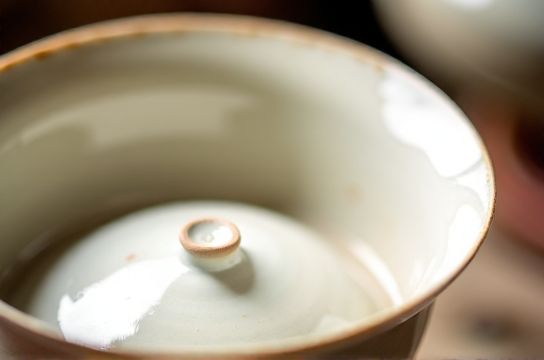
Jingdezhen, known as the “Porcelain Capital,” scores highest because many workshops still use traditional wood-fired kilns. I watched one artisan spend three weeks crafting a single vase—now that’s dedication.
How to Spot Real vs. Replica
Not all village goods are genuine. Here’s how to tell:
- Look for imperfections: Handmade means slight variations. If everything’s identical, it’s likely factory-made.
- Ask about materials: Real indigo dye smells earthy; synthetic versions don’t.
- Visit the workshop: If they won’t show you the process, walk away.
And when in doubt, connect with local cooperatives. Many now have simple websites or WeChat pages where you can verify authenticity before buying.
Support Ethical Artisans
Buying directly from rural creators isn’t just about getting better art—it’s about preserving culture. According to UNESCO, over 30% of China’s intangible cultural heritage is at risk due to commercialization. When you invest in true handmade Chinese art, you help keep these traditions alive.
So next time you’re tempted by a ‘traditional’ piece in a city shop, remember: the soul of real Chinese art beats strongest in the quiet corners of the countryside.