
Create Your Own Jingdezhen Ceramics in a Traditional Kiln
- Date:
- Views:343
- Source:The Silk Road Echo
Ever dreamed of crafting your own Jingdezhen ceramics using centuries-old techniques? Let me tell you—there’s nothing quite like getting your hands dirty in the birthplace of porcelain. As someone who’s spent years guiding artists and collectors through China’s ceramic heartland, I’ve seen firsthand how transformative this experience can be.
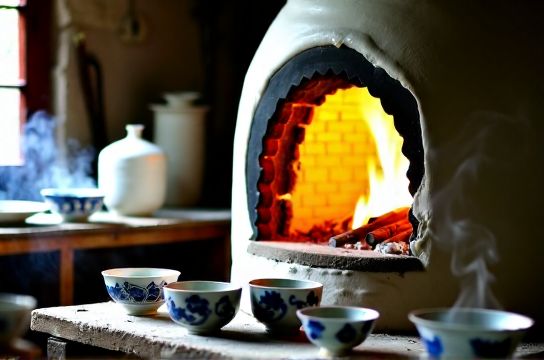
Jingdezhen, known as the 'Porcelain Capital,' has been producing high-quality ceramics since the Han Dynasty. Today, over 70% of China’s artisan porcelain still comes from this city in Jiangxi Province. But here’s the real magic: you don’t need to be a master potter to create something beautiful. Many traditional kilns now offer hands-on workshops where visitors shape, glaze, and fire their own pieces using age-old methods like dragon kilns (longyao) that climb hillsides like ancient stone serpents.
Let’s break down what you’ll actually do:
Step-by-Step: Crafting Authentic Jingdezhen Ceramics
- Clay Selection: Most studios use local kaolin clay, famed for its whiteness and durability.
- Shaping: Choose wheel-throwing or hand-molding. Beginners love the latter—it’s forgiving and creative.
- Drying: Takes 1–2 days. Rush it, and your piece cracks. Patience is part of the craft.
- Glazing: This is where color and shine come in. Cobalt blue and celadon green are classic Jingdezhen porcelain choices.
- Firing: Done in wood-fired dragon kilns at up to 1,380°C. The fluctuating heat creates unique finishes no electric kiln can replicate.
Here’s a quick comparison of common kiln types used in Jingdezhen:
| Kiln Type | Max Temperature | Firing Time | Unique Feature |
|---|---|---|---|
| Dragon Kiln (Longyao) | 1,380°C | 12–24 hrs | Natural ash glaze from wood ash |
| Bottle Kiln (Zunyao) | 1,300°C | 8–12 hrs | Even heat, ideal for delicate wares |
| Electric Kiln | 1,250°C | 6–8 hrs | Precise control, less variation |
Pro tip: Visit between April and October when humidity is lower—better for drying clay. And if you’re serious about taking home museum-worthy work, book a session at Taoxichuan’s artist village. Their restored Ming-era kilns attract top-tier mentors.
Creating your own genuine Jingdezhen ceramic isn’t just a souvenir—it’s a tactile connection to over 1,700 years of craftsmanship. Whether you're a hobbyist or design pro, this experience offers unmatched authenticity. Just remember: every crack, drip, or blush of flame is part of your piece’s story.