
Witness the Magic of Chinese Opera in Village Courtyards
- Date:
- Views:363
- Source:The Silk Road Echo
If you’ve only seen Chinese opera in grand theaters or on polished videos, you’re missing half the story. The real soul of this ancient art? It’s alive and kicking in rural village courtyards across China — where tradition isn’t performed for tourists, but lived every day.
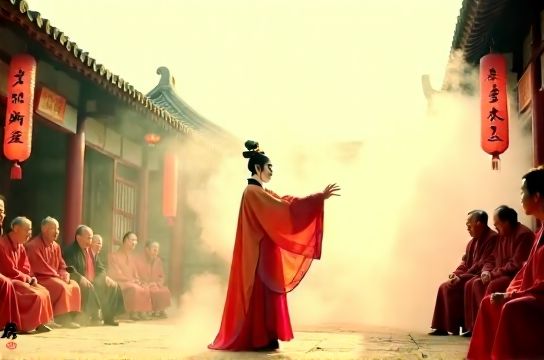
I’ve spent the last three years traveling through provinces like Shanxi, Sichuan, and Fujian, chasing the rhythms of gongs and painted faces under open skies. What I found wasn’t just performance — it was community, heritage, and raw cultural energy pulsing through narrow alleys and temple grounds.
Why Village Courtyards Beat Big Theaters
In cities, Chinese opera is often refined to perfection. But perfection can lack soul. In villages, a traditional Chinese opera show might start late because the lead actor was finishing rice harvest. That authenticity? Priceless.
These performances are tied to festivals, weddings, and ancestral rites. They’re not just entertainment — they’re spiritual offerings. Locals tell me the louder the drums, the better the gods hear.
When & Where to Experience It
The best time to catch these shows is during temple fairs (miaohui), especially from spring to mid-autumn. Here’s a quick guide based on my field visits:
| Region | Best Month | Opera Style | Local Tip |
|---|---|---|---|
| Shanxi | April | Pingju | Arrive early — seating is stone benches and shared stools |
| Sichuan | September | Sichuan Opera (face-changing!) | Bring cash for street snacks — no cards accepted |
| Fujian | May | Nanyin with opera elements | Stay overnight — shows go past midnight |
| Anhui | October | Huangmei Opera | Ask locals for backstage access — surprisingly open! |
Pro tip: Follow local temple calendars. Many villages post schedules on WeChat or physical boards near the well or market.
What Makes These Performances Special?
Beyond the dazzling costumes and acrobatic moves, it’s the intimacy that hits you. You’re not separated by footlights. Kids sit front-row, mimicking hand gestures. Elders hum along, knowing every line. This is Chinese performing arts as living memory — passed down orally, perfected through repetition, not formal training.
In one Anhui village, I met a 78-year-old performer who’s played warrior queens since she was 12. No stage name, no fame — just respect from her neighbors. That’s the heart of it.
How to Be a Respectful Visitor
- Don’t point or use flash photography — many believe it disrupts spiritual energy.
- Bring a small gift — fruit or tea for the troupe shows appreciation.
- Learn two phrases: “Hǎo kàn!” (It’s great!) and “Xièxie!” (Thank you).
This isn’t a show for likes — it’s a cultural heartbeat. When you witness Chinese opera in village courtyards, you’re not just watching history. You’re part of it.