
Ethnic Tapestry: Discovering Minority Cultures in China’s Forgotten Corners
- Date:
- Views:308
- Source:The Silk Road Echo
When you think of China, what comes to mind? Skyscrapers in Shanghai? The Great Wall winding across mountains? Yeah, those are epic—but there’s a whole other side of China most travelers miss. Hidden in remote villages, tucked between misty hills and quiet valleys, live over 50 officially recognized ethnic minority groups, each with their own languages, festivals, clothes, and stories. This is the real ethnic tapestry of China—vibrant, raw, and totally unforgettable.
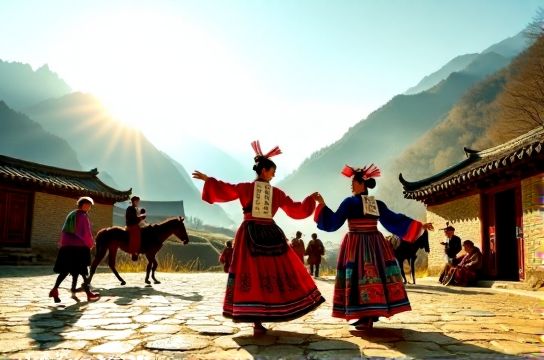
Forget the tourist traps. Let’s talk about the Miao people in Guizhou, where silver jewelry jingles like wind chimes during their grand festivals. Women wear handcrafted headdresses that can weigh over ten pounds—talk about fashion commitment! Their wooden stilt houses cling to hillsides, and rice terraces carve the landscape like nature’s own artwork. Visit during the Lusheng Festival, and you’ll see dancing, drumming, and colors so bright they’ll burn into your memory.
Then head west to Yunnan, home to the Naxi and their mysterious Dongba script—the last living pictographic writing system on Earth. In ancient towns like Shuhe and Lijiang, time moves slower. You’ll hear traditional music played on the *pipa* and *erhu*, melodies passed down for centuries. And don’t even get me started on the Yi people—bold, proud, and known for their Torch Festival, where entire villages light up at night like stars fell to earth.
Up north in Inner Mongolia, it’s a whole different vibe. Vast grasslands stretch forever, where Mongolian herders ride horses, drink fermented mare’s milk (*kumis*), and sing long, haunting songs that echo across the plains. Stay in a *ger* (yurt), eat roasted lamb, and learn how to milk a goat—yes, really.
These cultures aren’t just surviving—they’re thriving, thanks to a growing interest in sustainable tourism and cultural preservation. Locals are opening family-run guesthouses, teaching visitors how to make traditional crafts, cook regional dishes, or join in harvest rituals. It’s travel with meaning—no filters needed.
But here’s the thing: these places stay special because they’re not overrun. Going off-grid means respecting traditions, asking before taking photos, and supporting local economies directly. That bamboo-woven bag you buy? It might’ve taken someone a week to make. That matters.
So if you're craving something real—if you want to dance at a village festival, hike through terraced fields, or sip yak butter tea with a nomadic family—China’s ethnic corners are calling. This isn’t just travel. It’s connection. And honestly? It might just change how you see the world.