
Ethnic Festivals You Can Only Find in Remote China
- Date:
- Views:239
- Source:The Silk Road Echo
If you think Chinese culture is just about dragons, dumplings, and the Great Wall, it’s time to dig deeper—way deeper. Beyond the tourist hotspots lie remote villages where ancient traditions come alive in ways you’ve never seen. We’re talking about ethnic festivals in China that aren’t on any mainstream travel itinerary but are absolute cultural goldmines.
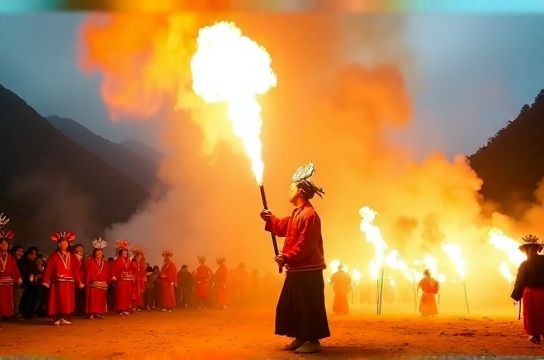
I’ve spent over three years traveling through Yunnan, Guizhou, Sichuan, and Tibet, chasing down local celebrations most outsiders don’t even know exist. These aren’t performances for tourists—they’re real, raw, and deeply spiritual events that have been passed down for generations.
Why These Festivals Matter
China officially recognizes 56 ethnic groups. While Han Chinese make up over 90% of the population, the remaining 55 minority groups preserve unique languages, clothing, music, and belief systems. Many of their most powerful traditions unfold during annual festivals—and trust me, they’re worth the trek.
Top 3 Must-See Ethnic Festivals
| Festival | Ethnic Group | Location | Best Time to Visit |
|---|---|---|---|
| Torch Festival | Yi | Yunnan & Sichuan | July (lunar calendar) |
| Miao New Year | Miao | Guizhou Province | November–December |
| Gayang Festival | Tibetan | Ngawa, Sichuan | August |
1. Torch Festival – The Fire That Binds
Held by the Yi people, this festival is pure energy. Imagine thousands of villagers lighting torches at sunset, parading through mountainside terraces while chanting prayers to ward off evil spirits. There’s bullfighting, wrestling, and even a ‘torch battle’ where participants gently tap each other with flaming sticks. According to local beliefs, the brighter the flame, the better the harvest next year.
2. Miao New Year – A Feast of Culture
In rural Guizhou, the Miao celebrate their new year with days of singing, drumming, and wearing ancestral silver headdresses that can weigh over 10 pounds! Unlike the public festivities in big towns, village celebrations include ritual sacrifices and family-only ceremonies. Pro tip: Visit Dongzhai Village for the most authentic experience.
3. Gayang Festival – Where Horses Rule
This Tibetan horse festival in Ngawa features wild mountain races, traditional archery, and epic folk operas under the open sky. Locals say the event honors a legendary warrior who once defended the valley. Today, riders from across the plateau compete on bareback horses—no saddle, no mercy.
How to Visit Responsibly
These festivals aren’t shows. Always ask permission before taking photos, dress modestly, and consider hiring a local guide. Not only does this support the community, but guides often help you access restricted rituals.
Travelers who go beyond the surface don’t just see culture—they feel it. And when you stand beside a Yi elder lighting a torch at dusk, you’ll understand why these remote ethnic festivals are among China’s best-kept secrets.