
Travel Deep into Rural China for Real Connections
- Date:
- Views:245
- Source:The Silk Road Echo
If you're tired of cookie-cutter tours and overcrowded landmarks, it’s time to go deeper—way deeper. I’m talking about swapping the Great Wall selfie lines for a homestay in a remote Guizhou village, or trading Shanghai’s neon buzz for a slow boat ride down the Liu River. Travel deep into rural China isn’t just off the beaten path—it’s where the real soul of the country lives.
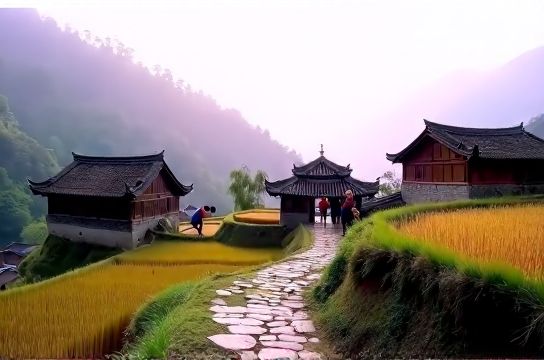
As someone who’s spent over a decade exploring China beyond the guidebooks, I can tell you: the magic isn’t in the tourist zones. It’s in the early morning mist over rice terraces, in shared meals with local families, and in dialects you won’t find in any phrasebook. This isn’t ‘roughing it’—it’s rich, authentic connection.
Why Rural Travel Beats City Tourism
Cities are flashy, sure. But rural China offers something no urban center can match: cultural continuity. While megacities evolve at lightning speed, villages preserve traditions that stretch back centuries. Think hand-woven indigo cloth, Dong minority drum towers, and festivals rooted in agrarian rhythms.
And the data backs this up. According to China’s Ministry of Culture and Tourism, rural destinations saw a 23% increase in domestic visitors from 2022 to 2023—proof that travelers are craving authenticity.
Top 5 Rural Destinations Worth Your Time
Not all villages are created equal. Here are my top picks based on accessibility, cultural depth, and guest hospitality:
| Destination | Province | Unique Feature | Best Time to Visit |
|---|---|---|---|
| Longsheng Rice Terraces | Guangxi | Photogenic梯田 (terraced fields) | May–June, Sept–Oct |
| Xijiang Miao Village | Guizhou | Largest Miao community | April–Oct |
| Yuanyang Terraces | Yunnan | Hani ethnic farming | Dec–Feb (water-filled fields) |
| Zhangye Danxia | Gansu | Rainbow-colored landforms | July–Sept |
| Chengkan Ancient Village | Anhui | Ming Dynasty architecture | Mar–May, Oct–Nov |
Each of these spots offers more than scenery—they’re living cultures. In Xijiang, for example, you can join a silver jewelry workshop or attend a traditional wedding ceremony. In Yuanyang, farmers still use buffalo-drawn plows, following methods unchanged for generations.
How to Travel Responsibly
Going rural means you’re a guest—not a consumer. Always ask before taking photos, support local homestays (like these recommended eco-lodges), and learn a few basic phrases in the local dialect. A simple 'Ni hao' goes far, but 'Ngo mau gai lo?' (in Dong) shows real respect.
Also, consider booking through community-run tour cooperatives. They keep money local and ensure fair wages. One such group in Longsheng reinvests 80% of tourism income into village schools and trail maintenance.
Final Tip: Embrace the Unexpected
Forget rigid itineraries. The best moments happen when plans fall apart—like getting caught in a village festival or sharing baijiu with elders after dinner. That’s when you truly travel deep into rural China—not as a spectator, but as a participant.
So pack light, stay curious, and let go of control. The real China is waiting—and it doesn’t have a Wi-Fi signal.