
Hike Along the Nujiang River with Panoramic Views
- Date:
- Views:206
- Source:The Silk Road Echo
If you're craving a hiking adventure that's off the beaten path but packed with jaw-dropping scenery, the Nujiang River trek in Yunnan, China, should be at the top of your list. As someone who’s explored dozens of trails across Southeast Asia and the Himalayas, I can confidently say this route offers one of the most raw and immersive experiences you’ll find — without the crowds of more commercialized treks.
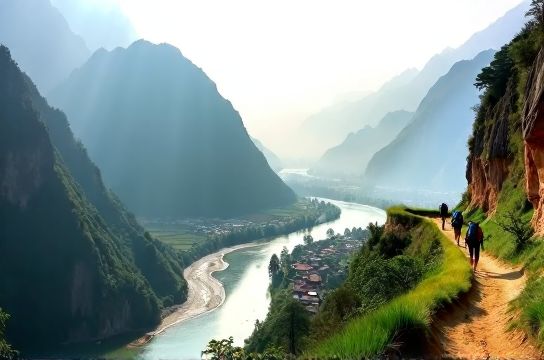
Stretching over 300 kilometers through the remote Three Parallel Rivers region, the Nujiang River (also known as the Salween) cuts through deep gorges flanked by snow-capped peaks. This UNESCO World Heritage site is home to dramatic elevation shifts, diverse ethnic cultures, and flora you won’t see anywhere else. But what really sets it apart? The untouched beauty and accessibility for intermediate hikers.
I recently completed a 5-day section from Gongshan to Bingzhongluo, and here’s what you need to know before planning your own trip.
Best Time to Hike
The ideal window is between April–June and September–October. July and August bring heavy rains, making trails slippery and river crossings risky. Temperatures vary drastically — expect 10°C (50°F) in valleys and sub-zero temps at higher passes.
Trail Difficulty & Daily Breakdown
This isn’t a walk in the park, but it’s manageable with moderate fitness. Most days involve 6–8 hours of hiking, with altitude gains up to 800 meters. Here’s a snapshot of a typical itinerary:
| Day | Route | Distance | Elevation Gain | Difficulty |
|---|---|---|---|---|
| 1 | Gongshan → Lamei Bridge | 18 km | +650 m | Moderate |
| 2 | Lamei Bridge → Cikai Village | 22 km | +720 m | Challenging |
| 3 | Cikai → Maku Ding | 15 km | +480 m | Moderate |
| 4 | Maku Ding → Bingzhongluo | 20 km | -900 m | Challenging |
Pro tip: Pack light but include rain gear, warm layers, and water purification tablets. There are guesthouses every 15–20 km, but amenities are basic — think solar-charged power and shared bathrooms.
Why It Stands Out
Compared to the Annapurna Circuit or even Tiger Leaping Gorge, the Nujiang River hike delivers solitude. During my trek, I averaged fewer than 10 fellow hikers per day — most locals on foot between villages. You’ll pass Tibetan prayer flags fluttering above cliffs, cross bamboo suspension bridges, and catch glimpses of rare wildlife like the red panda.
According to local conservation data, the area hosts over 6,000 plant species and 80+ mammal types — making it a biodiversity hotspot. Plus, cultural immersion is real: villages along the trail maintain traditions dating back centuries, from Naxi music to Lisu farming practices.
In short, if you want adventure with authenticity, skip the crowded trails and go where the landscape still feels wild. The Nujiang River trek isn’t just a hike — it’s a journey into one of Earth’s last great wildernesses.