
Capture the Soul of China in Its Quietest Mountain Towns
- Date:
- Views:207
- Source:The Silk Road Echo
Want to escape the chaos of city life and dive into something real? China’s quiet mountain towns are where the soul of the country still whispers through misty peaks, ancient cobblestones, and tea-scented air. These hidden gems aren’t just scenic—they’re spiritual. Forget the neon lights of Shanghai or the crowds at the Great Wall. The true magic of China lives in its serene highland villages, where time moves slow and tradition runs deep.
Why Mountain Towns?
China is home to over 1,000 historic towns, but only a handful remain untouched by mass tourism. According to the Ministry of Culture and Tourism, fewer than 3% of domestic travelers visit remote mountain regions annually. That means more space, cleaner air, and authentic encounters with locals who still weave bamboo, brew handmade tea, and honor centuries-old festivals.
Top 4 Hidden Mountain Towns You Need to See
| Town | Province | Elevation (m) | Best Time to Visit | UNESCO Status |
|---|---|---|---|---|
| Shangri-La (Zhongdian) | Yunnan | 3,280 | May–October | No |
| Fenghuang Ancient Town | Hunan | 240 | Spring & Autumn | Tentative List |
| Xidi & Hongcun | Anhui | 400 | March–June | Yes (2000) |
| Danba Tibetan Villages | Sichuan | 1,800 | September–November | No |
The Magic of Xidi & Hongcun
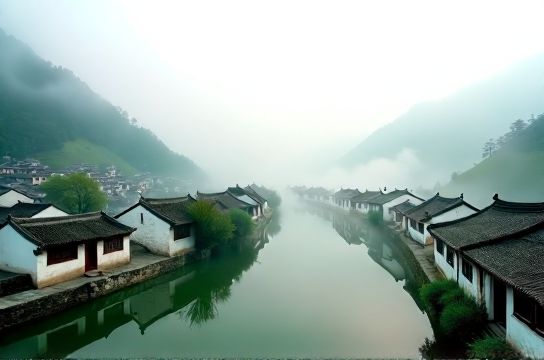
If you want a postcard-perfect moment, head to Xidi and Hongcun in Anhui. These UNESCO World Heritage Sites look like they’ve been pulled from a Chinese ink painting. With white-washed walls, black-tiled roofs, and lotus ponds reflecting morning fog, every corner feels dreamlike.
Fun fact: Over 90% of homes in Xidi were built during the Ming and Qing dynasties. Locals still live in them—so you’re not just seeing history, you’re walking through it.
Chasing Serenity in Shangri-La
Nestled in northwest Yunnan, Shangri-La isn’t just a myth—it’s a place. At over 3,200 meters above sea level, this Tibetan-influenced town offers crisp mountain air, prayer flags fluttering in the wind, and the golden roofs of Ganden Sumtseling Monastery glowing at sunrise.
Pro tip: Visit during the Yak Butter Lamp Festival (usually February) to see monks light thousands of butter lamps in intricate designs. It’s peaceful, powerful, and utterly unforgettable.
Fenghuang: Where Rivers Whisper Stories
Crossing a 300-year-old stone bridge in Fenghuang, you’ll feel like you’ve stepped into a 18th-century novel. This Hunan gem sits along the Tuo River, lined with wooden stilt houses and bustling with Miao culture. Rent a paddleboat at dusk—the reflections of lantern-lit homes on the water are pure poetry.
And yes, the night markets serve spicy snails. Try them. Thank me later.
Danba: Towers and Tradition
In Sichuan’s remote Danba County, ancient watchtowers rise like silent guardians over terraced fields. Home to the Qiang and Tibetan people, this area blends dramatic landscapes with living heritage. Women wear embroidered headdresses, and families gather for barley wine and folk songs under starry skies.
Travelers who make it here often say: "This is the China I dreamed of."
Travel Tips for a Soulful Journey
- Pack light, pack warm – Mountain weather changes fast.
- Respect local customs – Ask before photographing people or religious sites.
- Go off-season – Avoid Golden Week (October) for fewer crowds.
- Support local – Stay in family-run guesthouses, eat at village kitchens.
These towns aren’t just destinations—they’re invitations to slow down, breathe deeper, and remember what travel used to feel like. So ditch the itinerary, follow the mountain path, and let China’s quiet heart speak to yours.