
Backpacking Tips for Visiting China’s Off Grid Locations
- Date:
- Views:273
- Source:The Silk Road Echo
Thinking about swapping crowded tourist trails for raw, untouched landscapes? China isn’t just about the Great Wall and panda sanctuaries—deep in its vast countryside lie hidden gems waiting for adventurous backpackers. From misty Tibetan villages to remote Yunnan hill tribes, off-grid travel in China is equal parts thrilling and challenging. Here’s your ultimate guide to exploring these wild corners—smartly and sustainably.
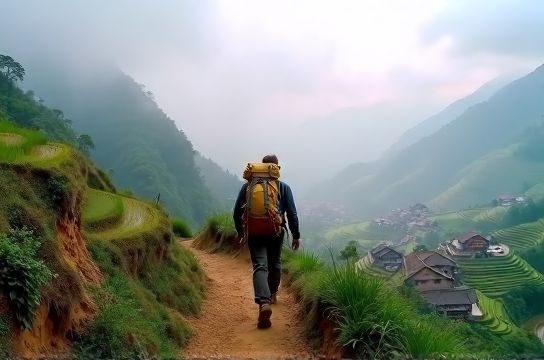
Why Go Off the Beaten Path?
Over 70% of China’s population lives in urban areas, yet nearly half the country remains rural or undeveloped. Places like Bingzhongluo in Yunnan or Tso Kar in Tibet offer surreal scenery with fewer crowds than Zhangjiajie or Jiuzhaigou. Plus, local cultures thrive here—like the Dulong people, who still practice facial tattooing traditions (though now rare).
Top 5 Off-Grid Destinations
| Location | Region | Best Time to Visit | Access Difficulty |
|---|---|---|---|
| Bingzhongluo | Yunnan | Mar–May, Sep–Nov | ★★★☆☆ |
| Tso Kar Lake | Tibet | Jun–Aug | ★★★★☆ |
| Danxia Rainbow Mountains | Gansu | May–Sep | ★★★☆☆ |
| Mosuo Village (Lugu Lake) | Sichuan/Yunnan border | Apr–Oct | ★★☆☆☆ |
| Kanas Lake | Xinjiang | Jul–Sep | ★★★★☆ |
Difficulty scale: ★ = Easy road access; ★★★★★ = Requires trekking & permits
Essential Backpacking Tips
- Permits matter: Tibet, Xinjiang, and border zones require special travel permits. Apply weeks ahead through a licensed agency.
- Connectivity is spotty: Only 38% of rural China has reliable 4G. Download offline maps (try Maps.me or OSMAnd) and carry a power bank.
- Pack light but smart: Include a portable water filter—many streams look clean but carry bacteria. Also, bring basic Mandarin phrases; English is rare beyond cities.
- Respect local customs: In Tibetan areas, don’t point at sacred mountains or step over prayer flags. In Muslim regions like Xinjiang, dress modestly.
Transport & Budget Breakdown
Forget Uber—getting around rural China means buses, shared jeeps, or hiking. But it’s affordable. Here’s a daily budget estimate:
| Expense | Budget (USD) | Notes |
|---|---|---|
| Accommodation | $8–15 | Guesthouses or homestays |
| Food | $6–10 | Local markets & family-run eateries |
| Transport | $5–20 | Varies by region and distance |
| Permits & Entry Fees | $10–30 | Tibet permit ≈ $25 |
Final Thoughts
Traveling off-grid in China isn’t for everyone—it demands patience, flexibility, and a sense of adventure. But when you're sipping yak butter tea in a remote Himalayan village or watching sunrise over rainbow cliffs no tour bus can reach, you’ll know it was worth every bumpy bus ride. Just remember: go slow, stay humble, and leave no trace.