
Ethnic Minority Villages Experience Traditional Chinese Heritage
- Date:
- Views:209
- Source:The Silk Road Echo
Ever dreamed of stepping into a living postcard, where misty mountains cradle centuries-old wooden stilt houses and the air hums with ancient songs? Welcome to China’s ethnic minority villages — hidden cultural gems that offer an authentic escape from the modern world. These communities, scattered across Yunnan, Guizhou, Guangxi, and Sichuan, preserve traditions, crafts, and lifestyles passed down through generations.
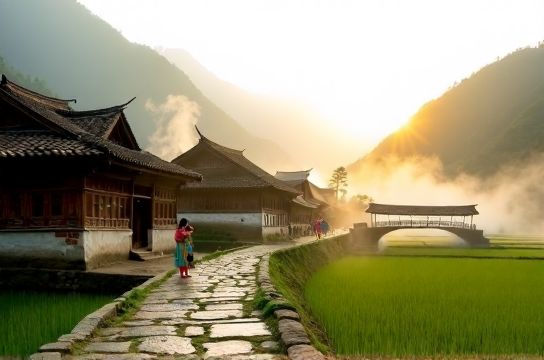
From the vibrant batik art of the Dong and Miao people to the mesmerizing polyphonic chants of Dong choirs, every village tells a story. Take Xijiang Qianhu Miao Village in Guizhou — home to over 1,400 households, it’s the largest Miao settlement in China. Here, silver headdresses glimmer under the sun during festivals, and rice terraces spiral down hillsides like nature’s own artwork.
But this isn’t just about pretty views. It’s about immersion. Imagine joining locals to make zongzi (sticky rice dumplings), dancing the Lusheng circle dance, or sleeping in a traditional wooden homestay. According to China National Tourism Administration, ethnic tourism has grown by 12% annually since 2020, with over 8 million visitors exploring minority regions each year.
Top 4 Ethnic Villages You Can’t Miss
| Village | Ethnic Group | Location | Unique Feature | Best Time to Visit |
|---|---|---|---|---|
| Xijiang Qianhu Miao Village | Miao | Guizhou | Largest Miao village; nightly light shows | April–October |
| Zhaoziliao Dong Village | Dong | Hunan | Famous for wind-and-rain bridges; UNESCO choir tradition | May–September |
| Yuanyang Hani Terraces Village | Hani | Yunnan | UNESCO World Heritage rice terraces | December–March (water-filling season) |
| Longsheng Red Yao Village | Red Yao | Guangxi | Women with 6-foot-long hair; herbal baths | September–November |
Travel tip: Respect local customs. In many villages, asking permission before photographing people is not just polite — it’s essential. And don’t miss the markets! Places like Dali’s Bai Ethnic Market sell handwoven indigo cloth, silver jewelry, and wild mushroom preserves.
The magic of these villages lies in their authenticity. Unlike theme-park-style tourist spots, they’re real communities thriving on tradition and resilience. As UNESCO notes, over 30 minority languages in China are endangered — visiting helps support preservation efforts.
So if you’re craving travel with soul, skip the malls and skyscrapers. Pack your curiosity, lace up your hiking boots, and let China’s ethnic heartland rewrite your idea of adventure.