
Authentic Travel China Uncover Untouched Natural Landscapes
- Date:
- Views:217
- Source:The Silk Road Echo
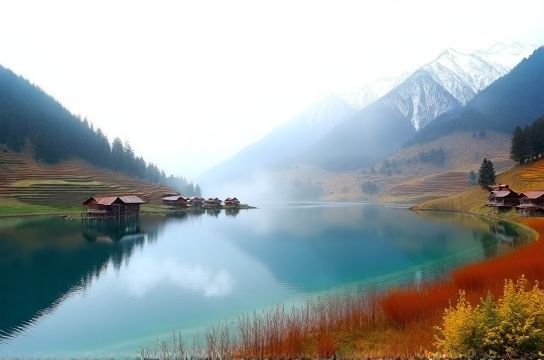
Want to escape the crowds and dive into nature’s raw beauty? Forget the postcard spots—China’s true magic lies in its hidden, untouched landscapes. From misty mountains to turquoise lakes, authentic travel in China means stepping off the beaten path and into jaw-dropping wilderness.
Why Go Off the Grid in China?
While millions flock to the Great Wall or Zhangjiajie, few venture into remote regions like Yunnan’s Nujiang Valley or Xinjiang’s Karakul Lake. These places aren’t just scenic—they’re spiritual. With fewer tourists, cleaner air, and deeper cultural immersion, you’ll experience China as it was meant to be seen: wild, free, and real.
Top 3 Hidden Gems for Nature Lovers
1. Biluo Snow Mountain (Yunnan)
Nestled near the Myanmar border, this sacred mountain range is home to the Lisu people. Trails wind through rhododendron forests and alpine meadows, peaking at over 4,800 meters. Few foreigners make it here—and that’s the point.
2. Kanas Lake (Xinjiang)
Often called ‘China’s Loch Ness’ due to mysterious lake creatures, Kanas is a pristine alpine lake surrounded by Siberian pine forests. Autumn turns the landscape into a golden dream. Visit in September for perfect weather and fewer crowds.
3. Zhamu Canyon (Tibet Autonomous Region)
Lesser-known than Yarlung Tsangpo Grand Canyon, Zhamu offers dramatic cliffs, hot springs, and views of snow-capped Namcha Barwa. It’s a trekker’s paradise with minimal infrastructure—ideal for those craving solitude.
Best Time to Visit & Climate Snapshot
Timing is everything. Avoid summer monsoons and winter freezes. Here’s a quick guide:
| Destination | Best Season | Avg. Temp (°C) | Travel Tip |
|---|---|---|---|
| Biluo Snow Mountain | April–May, Sept–Oct | 5–15°C | Pack layers—weather changes fast! |
| Kanas Lake | Sept–Oct | 0–12°C | Book yurts early; limited lodging. |
| Zhamu Canyon | May–June, Sept | 8–18°C | Acclimatize in Lhasa first. |
How to Travel Responsibly
These places are fragile. Stick to marked trails, carry out all trash, and support local homestays instead of big resorts. Respect sacred sites—many areas are spiritually significant to ethnic minorities like the Tibetan and Uyghur communities.
Final Thoughts
Authentic travel in China isn’t about checking boxes—it’s about feeling connected. When you stand beside a silent lake or hike through a forgotten valley, you’re not just visiting nature—you’re becoming part of it. So skip the selfie lines and chase the wild instead. Your soul will thank you.