
China Rural Travel to Uncover Secret Landscapes
- Date:
- Views:284
- Source:The Silk Road Echo
Think China is all about megacities and bullet trains? Think again. Beyond the neon glow of Shanghai and the ancient walls of Beijing lies a quieter, wilder, more soul-stirring side of China—its rural heartland. From misty rice terraces to centuries-old villages tucked in mountain folds, rural China is a treasure chest of hidden landscapes waiting to be explored.
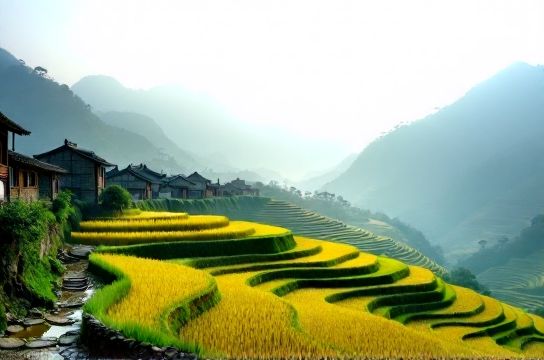
If you're craving authenticity over Instagram clichés, then pack your hiking boots and ditch the tour bus. We’re diving deep into the villages, valleys, and farmlands where time moves slower and beauty runs deeper.
Why Go Rural in China?
Over 40% of China’s population still lives in rural areas, yet most tourists barely scratch the surface. These regions aren’t just scenic—they’re cultural goldmines. You’ll find Dong minority drum towers, Hakka tulou (earthen houses), and Miao silver jewelry crafted by hand for generations.
And let’s talk views: UNESCO-listed Honghe Hani Rice Terraces stretch across 1.6 million acres, sculpted by farmers over 1,300 years. In spring, when flooded, they mirror the sky like liquid glass.
Top 4 Hidden Gems
- Yuanyang County, Yunnan: Best for sunrise shots over Hani terraces. Visit November–April when fields are flooded.
- Chengkan Village, Anhui: A Ming Dynasty time capsule surrounded by lotus ponds and pine hills.
- Xijiang Qianhu Miao Village, Guizhou: The largest Miao village in China, famous for festivals and stilted wooden homes.
- Huangling, Jiangxi: Autumn’s golden star. Watch villagers dry chilies, corn, and sweet potatoes on sunlit rooftops—a tradition called “Xiapan.”
Travel Tips That Actually Help
Rural travel isn’t always comfy—but that’s the point. Here’s how to do it right:
- Bring cash. Many villages don’t accept digital payments.
- Learn 5 basic Mandarin phrases. A simple nǐ hǎo goes miles.
- Visit during local festivals—like the Miao New Year or Torch Festival—for unforgettable cultural immersion.
- Stay in family-run guesthouses. Prices range from $15–$40/night and support local economies.
Quick Stats: Rural vs. Urban Travel
| Metric | Rural China | Urban China |
|---|---|---|
| Avg. Daily Cost | $35 | $80+ |
| Crowd Level | Low | High |
| Cultural Authenticity | ★★★★★ | ★★☆☆☆ |
| Internet Access | Limited | Widespread |
As one traveler put it: “In a village in Guangxi, I ate tofu made that morning, watched kids herd water buffalo, and fell asleep to frog choruses. That’s the China I came for.”
Rural China doesn’t need filters. It just needs curious travelers willing to wander off Wi-Fi. So go ahead—trade skyscrapers for rice paddies. Your next great story isn’t in a guidebook. It’s in a hillside village no one’s heard of… yet.