
Ethnic Minority Villages Preserving Traditional Ways of Life
- Date:
- Views:275
- Source:The Silk Road Echo
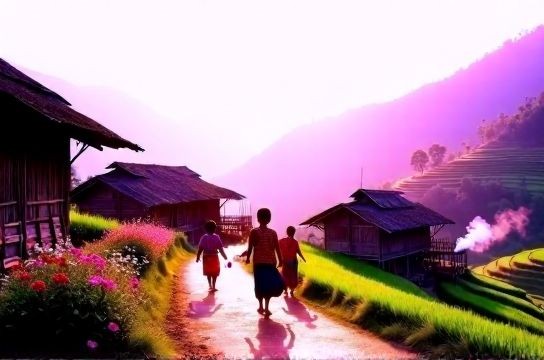
Deep in the misty mountains and lush valleys of Southeast Asia and southern China, hidden from the hustle of modern cities, lie ethnic minority villages that have preserved their traditional ways of life for centuries. These vibrant communities—like the Hmong, Dong, Miao, and Yao—offer more than just scenic beauty; they offer a living window into ancient customs, handcrafted arts, and sustainable lifestyles that modern society often overlooks.
Why Visit Ethnic Minority Villages?
Travelers today crave authenticity. Forget cookie-cutter resorts—real cultural immersion happens where people still farm by hand, weave intricate textiles using ancestral techniques, and celebrate festivals rooted in nature and spirit worship. These villages aren’t stuck in the past—they’re thriving examples of resilience, identity, and harmony with nature.
According to UNESCO, over 60% of intangible cultural heritage in rural Asia comes from ethnic minority groups. Yet many of these traditions are at risk due to urbanization and climate change. Responsible tourism can help preserve them.
Cultural Highlights & Must-See Villages
- Longsheng Rice Terraces (China): Home to the Zhuang and Yao peoples, this UNESCO-nominated site features breathtaking stepped fields carved into mountainsides over 650 years ago.
- Ban Rak Thai (Thailand): A Yunnan-Chinese village nestled in northern Thailand, famous for tea farming and traditional opera.
- Sapa (Vietnam): The Hmong and Red Dao communities here maintain vibrant dress codes and animist rituals.
Traditional Practices Still Alive Today
What makes these villages special isn’t just scenery—it’s the daily rhythms of life passed down through generations:
- Indigo Dyeing: The Miao use fermented plant vats to create deep blue fabrics, each pattern telling a family story.
- Oral Storytelling: In Dong villages, elders recite epic poems without written scripts—some lasting over 10 hours!
- Rice-Fish-Duck Farming: A UNESCO-recognized eco-system where ducks control pests, fish fertilize crops, and rice shelters both.
Data Snapshot: Cultural Preservation by the Numbers
| Community | Population (approx.) | Language Vitality (UNESCO) | Key Craft |
|---|---|---|---|
| Hmong (Vietnam/China) | 8 million | Vulnerable | Embroidery |
| Dong (China) | 3 million | Definitely Endangered | Wooden Bridges & Choir Singing |
| Miao (Southeast Asia) | 12 million | Vulnerable | Silver Jewelry |
| Yao (Southern China) | 3.5 million | Endangered | Indigo Textiles |
Tips for Respectful Travel
Want to visit without disrupting? Here’s how:
- Ask before photographing—many rituals are sacred.
- Buy directly from artisans—avoid mass-produced souvenirs.
- Stay in homestays—your money supports families, not corporations.
- Learn a few local phrases—even “hello” shows respect.
In a world racing toward automation and AI, these villages remind us that culture isn’t data—it’s dance, flavor, rhythm, and memory. They’re not relics. They’re resistance. And they’re worth protecting—one thoughtful traveler at a time.