
China Hiking Trails Find Solitude in Remote Mountain Paths
- Date:
- Views:215
- Source:The Silk Road Echo
Looking for a hiking adventure that takes you far from the crowds, selfie sticks, and city noise? China’s remote mountain trails offer some of the most breathtaking—and blissfully quiet—treks on Earth. Forget the postcard-perfect but overcrowded spots; we’re diving into hidden highland paths where mist wraps around jagged peaks and ancient stone steps whisper stories of pilgrims past.
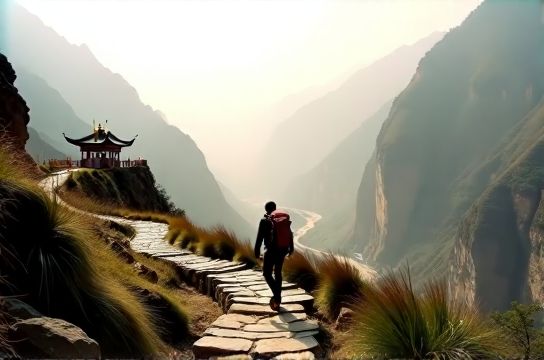
From the snow-dusted ridges of Sichuan to the emerald valleys of Yunnan, China’s backcountry is a treasure chest for solitude seekers. And guess what? You don’t need to be Reinhold Messner to enjoy them. With proper prep, even intermediate hikers can conquer these serene routes.
Why Hike China’s Hidden Trails?
While the Great Wall gets all the Instagram glory, real magic lies off-grid. These trails boast untouched nature, cultural depth, and—most rare of all—peace. A 2023 study by Asia Trek Monitor found that less than 7% of foreign hikers explore trails beyond Zhangjiajie or Huangshan. That means fewer people, fresher air, and more chances to spot wildlife like Tibetan red deer or golden snub-nosed monkeys.
Top 3 Secluded Hiking Routes in China
- Mt. Gongga Base Camp Trek (Sichuan) – Often called "China’s K2," this route circles the sacred Minya Konka peak. At 6,000+ meters, it’s not for the faint-hearted, but acclimatization stops at local Tibetan villages make it manageable.
- Tiger Leaping Gorge – Upper Trail (Yunnan) – Skip the crowded lower path. The upper trail offers panoramic views of the Yangtze River cutting through limestone cliffs. Pro tip: hike early May for blooming rhododendrons.
- Haba Village to Haba Snow Mountain (Yunnan) – A spiritual trek favored by Naxi locals. No technical climbing needed, just steady stamina. Sunrise from the summit? Pure gold.
Trail Comparison Table
| Trail | Difficulty | Duration (Days) | Elevation Gain | Best Season |
|---|---|---|---|---|
| Mt. Gongga Base Camp | Hard | 7–9 | 4,800m | Sept–Oct |
| Tiger Leaping Gorge (Upper) | Medium | 2–3 | 1,200m | Apr–May, Sept–Nov |
| Haba Snow Mountain | Medium-Hard | 4–5 | 3,900m | June–July, Sept |
As you can see, each trail offers a different flavor of adventure. Whether you’re after endurance challenges or cultural immersion, there’s a path with your name on it.
Pro Tips for a Smooth Trek
- Pack smart: Layers are key. Mornings are icy, afternoons can be warm. Bring a down jacket, rain gear, and water purifier.
- Respect local customs: Many trails pass through indigenous lands. Ask before photographing people and avoid loud behavior near temples.
- Permits matter: Some areas (especially near Tibet) require hiking permits. Apply 4–6 weeks in advance through licensed agencies.
Bottom line? China’s remote hikes aren’t just walks in the woods—they’re journeys into silence, self-reliance, and staggering beauty. Trade the tourist trails for true tranquility. Your soul will thank you.