
China Hiking Trails Through Remote Mountain Landscapes
- Date:
- Views:196
- Source:The Silk Road Echo
Looking for a hiking adventure that takes you off the beaten path? China's remote mountain trails offer some of the most breathtaking and soul-stirring treks on Earth. From misty Himalayan foothills to jagged Tibetan ranges, these hidden routes blend raw nature, ancient culture, and physical challenge into one unforgettable journey.
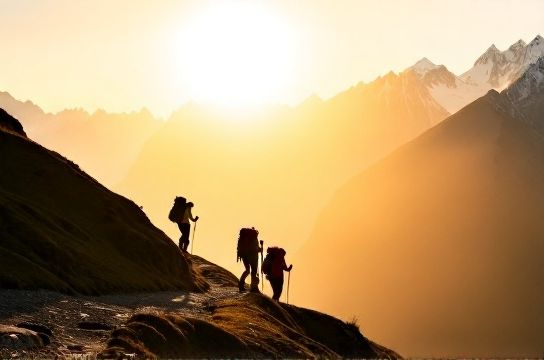
If you're craving solitude, dramatic vistas, and a true sense of exploration, China’s backcountry hikes deliver. Forget crowded tourist spots—these trails wind through villages frozen in time, past prayer flags fluttering in high-altitude winds, and beside turquoise alpine lakes no guidebook can do justice to.
Top 3 Remote Hiking Trails in China
- Mt. Kawagebo Circuit (Yunnan) – A sacred pilgrimage route around the 6,740m peak, this 8-day trek crosses high passes over 4,800m and offers jaw-dropping views of glacier-clad ridges. Locals believe the mountain is home to a deity—no summit attempts allowed!
- Yading Kora (Sichuan) – Often called "the Shangri-La," this 5-7 day loop circles three holy peaks: Chenresig, Jampelyang, and Chanadorje. Elevation ranges from 3,900 to 4,700 meters, with lush meadows giving way to snowfields.
- Tian Shan Grand Traverse (Xinjiang) – For the ultra-adventurous, this multi-week expedition cuts through the Central Asian range, passing Kazakh herder camps and crystal-clear glacial streams.
Trail Comparison at a Glance
| Trail | Duration | Max Elevation (m) | Difficulty | Best Season |
|---|---|---|---|---|
| Mt. Kawagebo Circuit | 7–9 days | 4,880 | ★★★★☆ | May–June, Sept–Oct |
| Yading Kora | 5–7 days | 4,700 | ★★★☆☆ | April–Oct |
| Tian Shan Grand Traverse | 14+ days | 4,500 | ★★★★★ | July–Aug |
As you can see, each trail offers a different flavor of wilderness. The Yading Kora is more accessible and spiritually rich, while Mt. Kawagebo tests endurance with its rugged terrain and unpredictable weather.
What Makes These Trails Special?
It’s not just about the views (though trust us, they’re epic). These treks connect you with cultures that have lived in harmony with mountains for centuries. You’ll share butter tea with Tibetan families, hear monks chanting at dawn, and walk paths used by pilgrims for generations.
And let’s talk logistics: permits are required for most of these areas, especially near borders or protected zones. For example, the Mt. Kawagebo trek needs a Tibet Travel Permit and often requires hiring a local guide—rules exist to protect both nature and cultural integrity.
Pro Tips for Success
- Acclimatize properly: Spend 2–3 days at moderate altitude before starting.
- Pack smart: Weather shifts fast. Bring waterproof layers, a reliable sleeping bag (rated to -10°C), and water purification tablets.
- Respect local customs: Walk clockwise around stupas and never point your feet at altars.
Whether you're a seasoned trekker or stepping into high-altitude hiking for the first time, China’s remote mountain trails promise adventure with depth—both geographically and spiritually.