
Rural China Travel Explore Authentic Mountain Communities
- Date:
- Views:210
- Source:The Silk Road Echo
Thinking about escaping the city chaos and diving into something real? Welcome to rural China, where misty mountains meet timeless traditions. Forget cookie-cutter resorts—here, life moves with the seasons, not Wi-Fi signals.
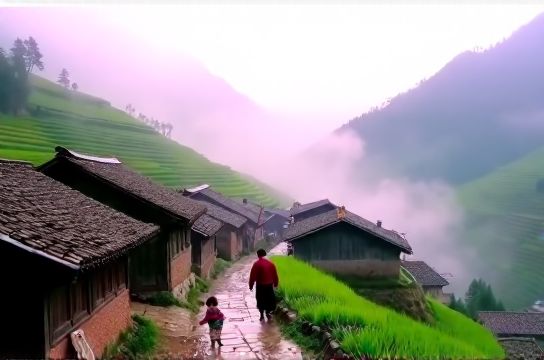
Why Rural Mountain Villages?
China’s remote mountain communities offer more than just fresh air—they’re living museums of culture, cuisine, and community. From Guizhou’s terraced hillsides to Yunnan’s ethnic villages, these regions boast UNESCO-recognized heritage and biodiversity hotspots. Over 300 ethnic minority groups call these highlands home, each with unique dialects, dress, and dances.
And get this: a 2022 report by China Tourism Academy found that rural tourism grew by 18% year-on-year, with mountain destinations seeing the highest satisfaction ratings (4.7/5). Why? Because travelers crave authenticity—and these villages deliver.
Top 3 Mountain Destinations
- Xijiang Qianhu Miao Village (Guizhou): Home to the largest Miao community in China, this village lights up during the Lusheng Festival. Don’t miss the silver headdresses and hand-woven batik.
- Shangri-La (Yunnan): Nestled at 3,300m, this Tibetan gem blends Buddhist serenity with jaw-dropping alpine views. Visit Ganden Sumtseling Monastery at sunrise.
- Huangshan Ancient Villages (Anhui): Think ink-wash paintings come to life. Hongcun and Xidi feature Ming-era architecture surrounded by tea fields.
What to Expect: A Reality Check
Let’s keep it real—this isn’t glamping. You’ll hike stone paths, sleep in family-run guesthouses, and eat what’s in season (think wild mushrooms, pickled fish, and sticky rice cakes). But that’s the magic. Locals often speak limited Mandarin, let alone English, so pack a translation app and a smile.
Travel Tips That Actually Help
- Best Time to Go: Spring (March–May) and Autumn (September–November) offer mild weather and harvest festivals.
- Getting There: High-speed trains now reach towns near major villages. From there, local buses or shared vans do the final stretch.
- Respect Local Customs: Ask before photographing people. In Tibetan areas, never point at sacred objects.
Cost Breakdown: Is It Affordable?
Absolutely. Compared to urban luxury trips, rural stays are wallet-friendly. Here’s a snapshot:
| Expense | Average Cost (USD) |
|---|---|
| Guesthouse Stay (per night) | $15–25 |
| Local Meal | $3–6 |
| Guided Village Tour | $10–15 |
| Round-Trip Transport (from major city) | $40–80 |
Total for a 4-day trip? Around $150–250, including food and transport. Not bad for an unforgettable cultural deep dive.
Final Thoughts
Rural mountain travel in China isn’t just a getaway—it’s a reset button for your soul. You’ll swap Instagram likes for real connections, and GPS routes for stories told around fireplaces. So lace up your hiking boots and go find the China few tourists see—but everyone should.