
Ethnic Minority Villages in China Cultural Treasures Unseen
- Date:
- Views:230
- Source:The Silk Road Echo
Think China is just about skyscrapers, pandas, and the Great Wall? Think again. Beyond the bustling cities and tourist hotspots lie over 1400 ethnic minority villages, each a living museum of ancient traditions, vibrant costumes, and soul-stirring music. These hidden gems—home to groups like the Dong, Miao, Dai, and Naxi—offer travelers a rare chance to experience culture in its most authentic form.
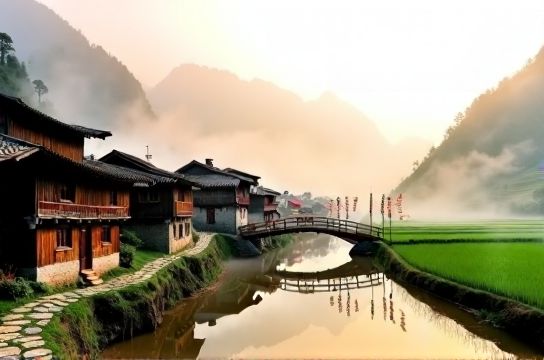
China officially recognizes 56 ethnic groups, with minorities making up about 8.89% of the population (around 125 million people). While Han Chinese dominate urban centers, the countryside tells a different story—one of colorful festivals, unique architecture, and centuries-old customs that have survived war, modernization, and globalization.
Why Visit Ethnic Minority Villages?
It’s not just about taking pretty photos (though trust us, your Instagram will thank you). It’s about connection. In places like Xijiang Qianhu Miao Village in Guizhou—the largest Miao settlement in China—you can join a traditional drum dance, sip homemade rice wine, and spend the night in a stilted wooden house that creaks with history.
The Dong people of Guangxi and Hunan are famous for their "Wind and Rain Bridges"—elegant covered bridges built without nails—and their polyphonic choir singing, recognized by UNESCO as an Intangible Cultural Heritage.
Top 4 Must-Visit Ethnic Villages
| Village | Ethnic Group | Location | Unique Feature |
|---|---|---|---|
| Xijiang Qianhu Miao | Miao | Guizhou | Largest Miao village; nightly cultural shows |
| Zhaoxing Dong | Dong | Guizhou | Famous for drum towers & choral singing |
| Shangri-La Dukezong | Tibetan | Yunnan | Ancient Tibetan town with prayer wheels |
| Manjinglan Dai | Dai | Yunnan | Close to Xishuangbanna rainforest; Water Splashing Festival |
These villages aren’t frozen in time—they’re evolving. Many now offer homestays, local cooking classes, and guided hikes through terraced hills. But tourism comes with responsibility. Always ask before photographing people, respect sacred spaces, and support local artisans by buying handmade crafts directly from them.
Cultural Insights You Won’t Find in Guidebooks
- Miao Silver Headdresses: More than fashion—they symbolize family wealth and spiritual protection.
- Dai New Year (Songkran): A 3-day water festival in April where everyone gets soaked in the name of renewal.
- Naxi Dongba Script: One of the last pictographic writing systems still in use.
Traveling to these villages isn’t always easy—some require bumpy bus rides or hiking—but that’s part of the adventure. The reward? Moments like sitting around a fire listening to a 70-year-old grandmother sing a folk tale in a language that has no written form.
In a world where everything feels copy-pasted, ethnic minority villages in China are refreshingly real. They remind us that culture isn’t something you watch—it’s something you live.