
Exploring Daily Life in China Street Food Culture
- Date:
- Views:208
- Source:The Silk Road Echo
If you've ever wandered through a bustling Chinese city at dusk, you know the real magic begins when the street lights flicker on and the sizzle of woks hits the air. Street food in China isn't just about eating — it's a full sensory immersion, a daily ritual woven into the fabric of urban life.
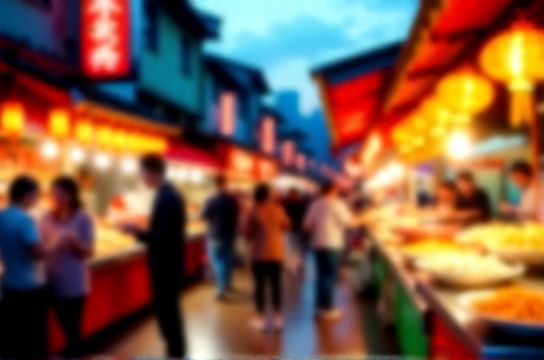
From the smoky scent of chuanr (grilled skewers) in Beijing to the steaming bowls of rice noodles in Guangxi, street food reflects regional pride, family recipes, and centuries of culinary evolution. In fact, according to a 2023 report by iiMedia Research, over 78% of urban Chinese residents consume street food at least once a week — a testament to its cultural staying power.
The Heartbeat of the City: Why Street Food Thrives
China’s street food scene thrives on accessibility, affordability, and authenticity. A single meal can cost as little as ¥5–15 (less than $2 USD), making it a go-to for students, workers, and families alike. But don’t let the low price fool you — flavor is anything but cheap.
Take Chengdu, where the famous dan dan noodles pack a punch with chili oil, Sichuan peppercorns, and minced pork. Or Xi’an, home of the legendary roujiamo — often dubbed the 'Chinese hamburger' — slow-cooked meat stuffed into a crispy flatbread.
A Taste Tour: Regional Street Food Highlights
China’s vast geography means every region boasts its own signature snacks. Here’s a quick flavor map:
| City/Region | Signature Dish | Key Ingredients | Avg. Price (RMB) |
|---|---|---|---|
| Beijing | Jianbing | Egg, hoisin sauce, youtiao (fried dough) | 8 |
| Shanghai | Xiaolongbao | Pork, gelatin broth, thin dough | 15 |
| Chengdu | Dan Dan Noodles | Chili oil, Sichuan pepper, ground pork | 12 |
| Xi’an | Roujiamo | Braised pork, cumin, baked bun | 10 |
| Guangzhou | Cheung Fun | Rice noodle rolls, shrimp or beef, sweet soy | 9 |
This diversity isn’t just delicious — it’s deeply cultural. Many vendors inherit recipes from grandparents, preserving techniques that predate modern restaurants.
More Than Just a Snack: The Social Role of Street Food
In cities like Chongqing or Hangzhou, street food stalls double as community hubs. Locals gather not just to eat, but to chat, laugh, and unwind after long days. It’s casual, communal, and comforting — a stark contrast to the fast-paced grind of urban life.
And thanks to platforms like Douyin (TikTok’s Chinese cousin), street vendors are going viral. One woman in Guiyang gained over 2 million followers for her handmade mala tang — a DIY spicy broth dish — turning her cart into a must-visit destination.
Tips for Travelers: How to Dive In Like a Local
- Follow the crowd: Long lines usually mean fresh, high-turnover food.
- Go cashless: Most vendors accept WeChat Pay or Alipay — bring a local SIM card!
- Be adventurous: Try something unfamiliar — stinky tofu, anyone?
- Timing matters: Evenings (6–9 PM) are peak hours for variety and atmosphere.
Street food in China isn’t just fuel — it’s flavor, history, and humanity served on a paper plate. So next time you’re walking down a neon-lit alley, follow your nose. The best meal might be waiting on a folding table.