
Experience True Authentic Travel China in Undiscovered Areas
- Date:
- Views:167
- Source:The Silk Road Echo
Forget the crowds at the Great Wall and skip the tourist traps in Beijing. If you're craving a real taste of China — raw, untouched, and breathtakingly beautiful — it's time to go off-grid. Welcome to the road less traveled: authentic travel China through its hidden corners.
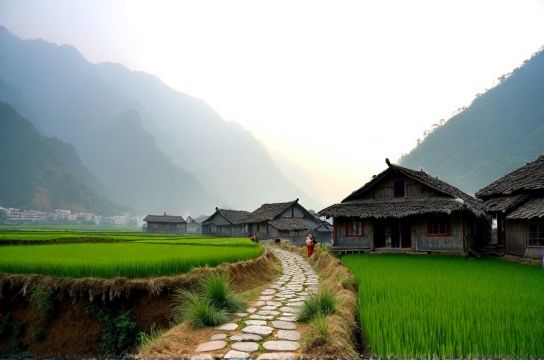
While most visitors stick to Shanghai or Xi’an, true adventurers are diving into remote villages, misty mountain ranges, and centuries-old ethnic communities that time forgot. This is where China’s soul lives — not in neon-lit malls, but in morning markets buzzing with dialects you’ve never heard and rice terraces carved by hand over generations.
Why Go Beyond the Brochure?
Let’s face it: classic China tours are predictable. You’ll see the Terracotta Warriors, sip tea in Suzhou gardens, and snap selfies on Mutianyu. But authentic travel means connection — with people, landscapes, and traditions that haven’t been packaged for Instagram.
According to China Tourism Academy, domestic 'deep travel' grew by 23% in 2023, with travelers seeking cultural immersion over convenience. International tourists catching on too — especially those exploring Guizhou, Yunnan, and Xinjiang’s lesser-known trails.
Top 3 Hidden Gems for Authentic Travel China
- Shangri-La (Yunnan) – Not a myth, but a highland paradise near Tibet. Walk through Songzanlin Monastery, hike Tiger Leaping Gorge, and share butter tea with local Khampa families.
- Xijiang Qianhu Miao Village (Guizhou) – Home to over 1,400 stilt houses and China’s largest Miao community. Come during Lusheng Festival for drum dances and silver headdress parades.
- Barkol (Xinjiang) – A Silk Road secret. Ride horses across alpine meadows, camp under stars near Barkol Lake, and hear Uyghur folk songs echo through canyon walls.
Cultural Insights & Travel Tips
Going deep means respecting depth. Learn a few phrases in the local dialect — Mandarin might not cut it in rural areas. In Guizhou, saying “Nx gaos nongx?” (How are you?) in Miao earns instant smiles.
Also: pack light, stay flexible, and embrace slow travel. Buses may be late. Wi-Fi? Maybe. But human warmth? Guaranteed.
Best Times to Visit & Climate Overview
To help you plan smart, here’s a quick reference:
| Destination | Best Season | Avg. Temp (°C) | Why Go Then? |
|---|---|---|---|
| Shangri-La | May–October | 8–18°C | Clear skies, blooming alpine flowers |
| Xijiang Miao Village | April & October | 16–25°C | Festival season, mild weather |
| Barkol | June–September | 10–22°C | Green pastures, ideal for trekking |
Pro tip: Avoid Chinese national holidays like Golden Week (Oct 1–7) — even remote spots get busy!
The Real Reward: Connection Over Comfort
Authentic travel China isn’t about luxury resorts. It’s sleeping in family-run guesthouses, eating hand-pulled noodles from a village auntie, and getting lost in lanes where no one speaks English. That moment when a grandmother hands you a warm steamed bun with a smile? That’s the real China.
So ditch the guidebook clichés. Seek stories, not sights. Let the unexpected lead. Because the most unforgettable journeys aren’t found on maps — they’re lived.