
Photographing Traditions in Remote Chinese Hamlets
- Date:
- Views:236
- Source:The Silk Road Echo
Ever dreamed of capturing raw, unfiltered culture through your lens? Forget crowded tourist spots—real magic hides in the remote hamlets of China, where ancient traditions still breathe life into daily rituals. If you're a photographer chasing authenticity, these hidden villages are your goldmine.
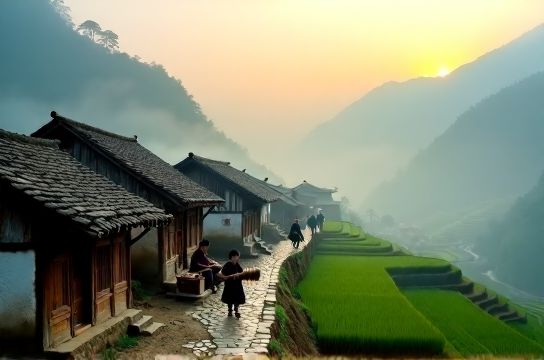
From Yunnan’s misty highlands to Guizhou’s terraced valleys, rural China pulses with color, rhythm, and soul. But it’s not just about snapping pretty pictures—it’s about storytelling. Let’s dive into how you can photograph these vanishing traditions with respect, depth, and stunning visual impact.
Why These Villages Matter
Over 680,000 traditional villages existed in China a century ago. Today, fewer than 7,000 remain officially recognized due to urbanization. Each one holds centuries-old customs—from Dong族’s polyphonic singing to Mosuo matriarchal rites—that rarely make it beyond local memory.
As a photographer, you’re not just an observer—you’re a preserver.
Top 3 Villages for Cultural Photography
| Village | Location | Cultural Highlight | Best Season |
|---|---|---|---|
| Xijiang Qianhu Miao | Guizhou | Largest Miao settlement; silver headdress ceremonies | Spring (Mar–May) |
| Shangri-La & Tibetan Hamlets | Yunnan | Buddhist prayer flags, horse festivals | Autumn (Sept–Oct) |
| Fengtai Hakka Tulou | Fujian | Circular earthen towers; clan-based living | Winter (Dec–Feb) |
Pro Tips for Meaningful Shots
- Slow down: Spend at least 2–3 days in one village. The best moments happen at dawn or after dinner—when guards come down.
- Ask with your eyes: A smile and pointing to your camera works better than broken Mandarin. Respect a no with grace.
- Light is everything: Natural light inside wooden homes creates golden-hour vibes all day. Use wide apertures (f/1.8–f/2.8) for intimate portraits.
- Shoot the details: Wrinkled hands weaving bamboo, steam rising from morning porridge—these tell deeper stories than group photos.
Challenges & Ethics
Let’s be real: photographing people in poverty can feel exploitative. Avoid ‘misery porn.’ Focus on dignity, not distress. Pay locals if you use their images commercially—many villagers now know their cultural worth.
Also, drones? Often banned in ethnic regions. Always check local rules.
Final Frame
Photographing traditions in remote Chinese hamlets isn’t just about gear or angles—it’s about connection. When an elder lets you capture her embroidered shoes, that’s trust. That’s legacy.
So pack light, tread gently, and let your camera honor what time is slowly erasing. These villages aren’t postcards—they’re living history.