
Cultural Treasures in China’s Mountainous Backcountry
- Date:
- Views:270
- Source:The Silk Road Echo
Think China is all about megacities and bullet trains? Think again. Tucked deep in the misty folds of its mountainous backcountry are living cultural treasures—villages frozen in time, ancient traditions still breathing, and breathtaking landscapes that feel like stepping into a classical Chinese painting.
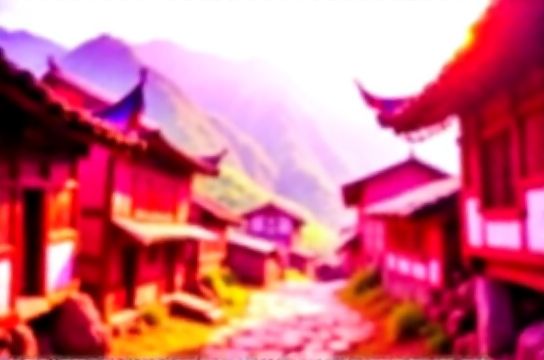
From Yunnan’s terraced highlands to Guizhou’s ethnic enclaves, these remote regions offer more than just scenic views—they’re gateways to over 50 officially recognized ethnic minorities, each with unique dialects, dress, and rituals passed down for centuries.
Take Xijiang Qianhu Miao Village in Guizhou—the largest Miao village in China, home to over 6,000 people across 1,400 households. Nestled in lush green hills, it’s a dazzling display of stilted wooden homes, silver headdresses, and drum tower ceremonies. Tourists flock here, yes—but the culture remains authentic, especially during the annual Miao New Year, where bullfights, singing duels, and ancestral worship bring the mountains alive.
Or consider Shangri-La (Zhongdian) in northwest Yunnan, where Tibetan Buddhism shapes daily life. The Ganden Sumtseling Monastery, built in 1679, rises like a mini-Potala Palace against snow-capped peaks. Locals spin prayer wheels at dawn, yaks graze on alpine meadows, and butter tea warms your hands at 3,300 meters above sea level.
But don’t just take our word for it. Here’s a quick snapshot of top cultural hotspots in China’s mountain heartlands:
| Location | Ethnic Group | Elevation (m) | Key Cultural Feature | Best Time to Visit |
|---|---|---|---|---|
| Xijiang, Guizhou | Miao | 800 | Silver jewelry festivals | Oct–Nov (Harvest Festival) |
| Shangri-La, Yunnan | Tibetan | 3,300 | Lamaist monasteries | May–Jun & Sep (Clear skies) |
| Fenghuang Ancient Town | Tujia/Miao | 240 | Stilted river houses | Spring & Autumn |
| Dali Old Town | Bai | 1,976 | Three Pagodas, tie-dye art | Mar–May |
Getting there? It’s easier than ever. High-speed rail now reaches parts of Guizhou, and domestic flights connect Lijiang, Dali, and Shangri-La. But the real magic often lies off the beaten path—like hiking the Tiger Leaping Gorge trail or staying overnight in a Bai family courtyard.
And let’s talk sustainability. With tourism rising—over 4 million visited Xijiang alone in 2023—it’s crucial to travel responsibly. Support local artisans, avoid intrusive photography, and opt for family-run guesthouses. These cultures aren’t exhibits; they’re living, evolving communities.
In a world of fast travel and filtered feeds, China’s mountainous backcountry offers something rare: depth. Where else can you sip corn wine with a Miao elder, chant with monks at sunrise, or hear a Dong choir sing without instruments—just pure, haunting harmony?
If you crave authenticity, pack light, bring curiosity, and head uphill. The real soul of China isn’t in the skyline—it’s in the soil, songs, and silent temples of the highlands.