
Uncover the Beauty of China’s Forgotten Countryside
- Date:
- Views:274
- Source:The Silk Road Echo
Think China is all about skyscrapers, bullet trains, and bustling cities like Beijing and Shanghai? Think again. Beyond the neon glow of urban life lies a quieter, more soulful side of China — one painted in misty rice terraces, ancient stone villages, and traditions that have survived centuries. Welcome to China’s forgotten countryside, where time slows down and beauty unfolds with every step.
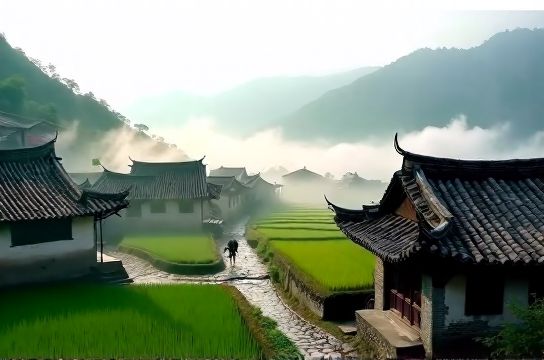
Why You Should Explore Rural China
While over 60% of China’s population still lives in rural areas, tourism often bypasses these regions for more famous city destinations. But that's exactly what makes them special — authenticity. These villages haven’t been polished for Instagram; they’ve been preserved by generations who live much as their ancestors did.
From the UNESCO-listed Hongcun Village in Anhui to the breathtaking ZiJin Rice Terraces in Guizhou, rural China offers a poetic escape from modern life. And the best part? You won’t be fighting crowds.
Top 5 Hidden Gems in Rural China
| Location | Province | Claim to Fame | Avg. Yearly Visitors |
|---|---|---|---|
| Hongcun Village | Anhui | "Moon Pond" & ancient Huizhou architecture | 800,000 |
| ZiJin Rice Terraces | Guizhou | Stunning layered fields & Miao culture | 120,000 |
| Shangri-La Valley (Yunnan) | Yunnan | Tibetan Buddhism & alpine meadows | 350,000 |
| Zhangjiajie Countryside | Hunan | Lesser-known trails near Avatar Mountains | 200,000 |
| Chuju Ancient Town | Jiangsu | Canal-side charm & Ming Dynasty vibes | 90,000 |
As you can see, even the most visited rural spots get a fraction of the foot traffic compared to Shanghai’s Bund or the Forbidden City. That means real moments — sharing tea with a farmer, watching elders play mahjong under bamboo shades, or hiking through fog-draped hills without a selfie stick in sight.
Cultural Richness You Can’t Fake
Rural China is home to over 50 ethnic minorities, each with its own language, dress, and festivals. In Guizhou, the Miao and Dong people celebrate the Sister’s Meal Festival with song battles and intricate silver headdresses. In Yunnan, the Naxi people keep alive the ancient Dongba script — one of the last pictographic writing systems in the world.
And let’s talk food. Forget Kung Pao chicken from your local takeout. Here, you’ll taste hand-pulled noodles made at dawn, smoky cured pork from village smokehouses, and wild mushrooms foraged from nearby forests. Every meal tells a story.
Travel Tips for the Curious Explorer
- Best Time to Visit: Spring (March–May) and Autumn (September–November) offer mild weather and stunning scenery.
- Getting Around: Combine high-speed rail to regional hubs with local buses or private drivers for remote villages.
- Stay Local: Opt for family-run guesthouses (minjus) — many cost under $40/night and include homemade breakfast.
- Respect Traditions: Ask before photographing people, especially during ceremonies.
Exploring rural China isn’t just travel — it’s transformation. It reminds us that beauty doesn’t need Wi-Fi to shine, and connection doesn’t require a signal. So pack light, stay curious, and let the quiet magic of China’s countryside leave its mark on you.