
Remote China Destinations for Solitude and Nature
- Date:
- Views:306
- Source:The Silk Road Echo
Craving a break from the hustle? Tired of crowded tourist traps? China’s remote corners offer breathtaking solitude, untouched nature, and cultural authenticity you won’t find on your average tour bus route. Forget the Great Wall selfies—let’s dive into the wild side.
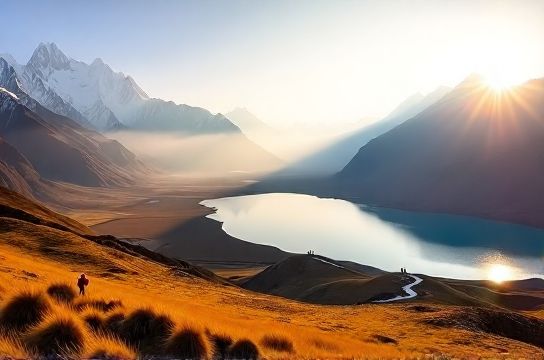
From misty mountains to high-altitude lakes, these off-grid gems promise peace, quiet, and jaw-dropping scenery. Whether you're a hardcore trekker or just want to unplug with a view, here are three under-the-radar destinations that deserve a spot on your bucket list.
1. Yading Nature Reserve, Sichuan
Nestled in the eastern Himalayas, Yading is often called 'China’s Tibet.' This sacred pilgrimage site is surrounded by three snow-capped peaks—Chenrezig, Jampelyang, and Chanadorje—that rise over 6,000 meters. The reserve sees fewer than 50,000 visitors annually (compared to over 8 million at Jiuzhaigou), making it a haven for solitude seekers.
The trail around the Kora circuit spans 22 km and takes you through alpine meadows, crystal-clear streams, and ancient monasteries. Altitude ranges from 2,900 to 4,700 meters, so take it slow and acclimatize properly.
2. Bayanbulak Grasslands, Xinjiang
Located on the Tian Shan mountain range, Bayanbulak is one of China’s largest alpine grasslands—spanning over 23,000 square kilometers. It's home to the elusive swan population at Swan Lake, and during July, the blooming lotus flowers turn the wetlands into a painter’s dream.
This region is primarily inhabited by Kazakh herders, so expect yurts, horseback rides, and warm hospitality. Due to its remote location, reaching Bayanbulak requires effort—but that’s exactly why it remains pristine.
3. Zhangmu Town, Tibet (Near Nepal Border)
Once a bustling trade hub between Tibet and Nepal, Zhangmu has quieted down since the 2015 earthquake. But that makes it perfect for travelers seeking raw, unfiltered Himalayan charm. Perched at 2,300 meters, the town clings to a steep valley with views straight out of a fantasy novel.
Though infrastructure is still recovering, the surrounding trails—like the route to Kuti Valley—are some of the most scenic and least traveled in Tibet.
Quick Comparison: Remote Spots at a Glance
| Destination | Altitude (m) | Annual Visitors | Best Time to Visit |
|---|---|---|---|
| Yading, Sichuan | 2,900–4,700 | <50,000 | May–October |
| Bayanbulak, Xinjiang | 2,000–2,500 | <30,000 | June–August |
| Zhangmu, Tibet | 2,300 | <10,000 | April–October |
Travel tip: These places aren’t easy to reach—and that’s the point. Most require permits, local guides, and a spirit of adventure. But if you’re after real connection—with nature, culture, and yourself—these remote Chinese wonders deliver big time.
So pack light, charge your camera, and go where few have gone. Your soul will thank you.