
Xinjiang's Remote Valleys Where Cultures Intermingle
- Date:
- Views:204
- Source:The Silk Road Echo
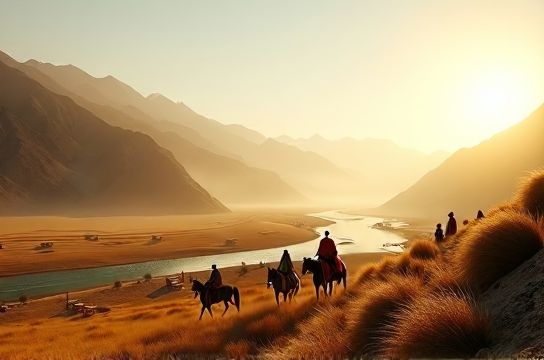
Ever dreamed of stepping into a world where ancient Silk Road whispers still echo through mountain passes? Welcome to Xinjiang’s remote valleys — hidden gems where Uyghur, Kazakh, Kyrgyz, and Han cultures don’t just coexist; they dance together in harmony. Nestled beneath snow-capped peaks and beside crystal-clear rivers, these secluded spots offer more than breathtaking views — they deliver soul-stirring cultural immersion.
Why Xinjiang’s Hidden Valleys?
Xinjiang, China’s wild west, is often misunderstood. But beyond the headlines lies a mosaic of traditions, languages, and landscapes. The Tianshan and Kunlun mountain ranges cradle valleys like Barkol, Kanas, and Aksai Chin, where nomadic life thrives alongside orchards heavy with sweet melons and grapes.
Did you know? Over 50% of Xinjiang’s population belongs to ethnic minorities, each preserving unique customs, music, and cuisines. In places like Hemu Village near Kanas Lake, wooden log houses and shamanic traditions transport you centuries back.
Cultural Crossroads: A Snapshot
The real magic happens where cultures meet. Picture this: a Kazakh herder sharing fermented mare’s milk (kumis) with a Uyghur trader selling handwoven silk under a walnut tree. These interactions aren’t staged for tourists — they’re daily life.
| Valley | Main Ethnic Group | Signature Dish | Best Time to Visit |
|---|---|---|---|
| Kanas Valley | Tuvan & Kazakh | Boorsoq (fried dough) | June–September |
| Barkol Grassland | Kazakh | Beshbarmak (meat & noodles) | July–August |
| Hemu Valley | Tuvan | Salt-baked trout | May–October |
| Yarkand Valley | Uyghur | Polo (spiced rice) | April–June, Sept–Oct |
Off-the-Grid Adventures Worth Taking
- Ride with Kazakh Eagle Hunters: In Bayingolin, witness jaw-dropping falconry skills passed down generations. Yes, real eagles. Yes, it’s as epic as it sounds.
- Stay in a Yurt: Spend a night under Milky Way skies in Barkol. Wake up to fresh goat milk tea and songs sung in throaty, haunting harmonies.
- Walk the Pamir Highway: This ancient trade route cuts through high-altitude valleys where Kyrgyz elders still tell stories of Marco Polo’s passage.
Travel Tips from Locals
Forget five-star hotels. The best experiences are found in family-run guesthouses where hospitality isn’t a service — it’s a sacred duty. Pro tip: Learn a few Uyghur phrases like “Nahayiti yaxshimu?” (How are you?) — smiles guaranteed.
Transport? While public buses exist, renting a 4WD with a local driver unlocks deeper access. Roads can be rough, but every bump brings you closer to authenticity.
Responsible Travel Matters
These valleys are fragile — culturally and ecologically. Avoid loud behavior at sacred sites, ask before photographing people, and support community tourism initiatives. Remember: You’re a guest in someone’s ancestral home.
In a world rushing toward sameness, Xinjiang’s remote valleys remind us of beauty in diversity. So pack light, stay curious, and let the mountains speak. After all, the best journeys don’t just change your location — they change your perspective.