
Journey to the Heart of China’s Ethnic Diversity
- Date:
- Views:232
- Source:The Silk Road Echo
Ever dreamed of stepping into a world where ancient traditions dance with mountain mists and vibrant festivals light up remote valleys? Welcome to Yunnan Province, China’s cultural kaleidoscope. Nestled in the southwest, Yunnan is home to 25 of China’s 56 officially recognized ethnic groups, making it the most ethnically diverse region in the country.
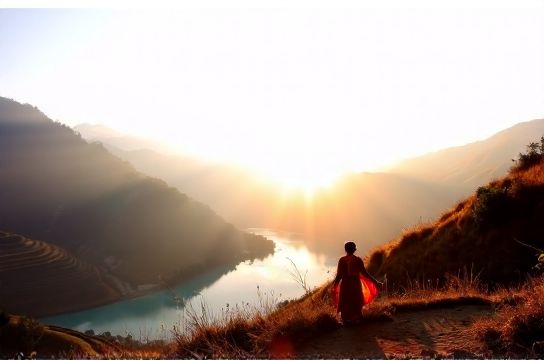
From the terraced rice fields of the Hani people to the sky-soaring chants of the Bai in Dali, every village tells a story. This isn’t just travel—it’s time travel.
Why Yunnan? By the Numbers
Let’s talk stats. With over 48 million residents and nearly 400,000 square kilometers, Yunnan packs a punch. But what really sets it apart?
| Ethnic Group | Population in Yunnan (approx.) | Notable Region |
|---|---|---|
| Yi | 4.5 million | Chuxiong & Liangshan |
| Bai | 1.9 million | Dali |
| Hani | 1.6 million | Yuanyang County |
| Dai | 1.3 million | Xishuangbanna |
| Zhuang | 1.1 million | Wenshan |
These aren’t just numbers—they’re living cultures. The Dai celebrate the Water Splashing Festival like nowhere else, turning streets into joyful splash zones each April. Meanwhile, the Mosuo near Lugu Lake live under a matriarchal system—a rare social structure that’ll make you rethink everything you know about family.
Top Cultural Hotspots You Can’t Miss
- Dali Ancient Town: Cobbled streets, white-walled Bai architecture, and views of Cangshan Mountain. Pro tip: Rent a bike and circle Erhai Lake at sunrise.
- Shangri-La (Zhongdian): Tibetan vibes meet prayer flags and the stunning Ganden Sumtseling Monastery. Altitude? Around 3,300m—pack oxygen and patience.
- Yuanyang Rice Terraces: A UNESCO World Heritage site shaped by the Hani for over 1,300 years. Go during November–March for flooded terraces that mirror the sky.
- Jinghong, Xishuangbanna: Tropical rainforest + Dai culture = paradise. Don’t miss the Peacock Dance or pineapple sticky rice.
Travel Tips Like a Local
Yunnan’s beauty comes with quirks. Here’s how to navigate like a pro:
- Best Time to Visit: March–May (spring blooms) or September–November (clear skies). Avoid Chinese national holidays—crowds are no joke.
- Transport: High-speed rail connects Kunming, Dali, and Lijiang. For deeper regions, domestic flights or long buses work.
- Respect Local Customs: Ask before photographing people. In Tibetan areas, never point at religious icons.
And food? Oh, the food. Try crossing-the-bridge noodles in Mengzi, or fermented fish from the Dai. Each bite is a flavor bomb rooted in centuries of tradition.
Final Thoughts: More Than Just a Trip
Traveling through Yunnan isn’t about ticking boxes. It’s about sitting with a Naxi elder as she weaves stories into fabric, or joining a Yi fire festival under a sky full of stars. This is where China’s soul breathes loudest.
If you crave authenticity—if you want to feel the heartbeat of a thousand cultures—then pack your bag. Yunnan isn’t just a destination. It’s a revelation.