
Authentic Cultural Encounters in China’s Forgotten Hakka Tulou Communities
- Date:
- Views:281
- Source:The Silk Road Echo
Hidden deep in the misty hills of Fujian Province lies one of China’s most fascinating architectural and cultural secrets — the Hakka Tulou. These massive, circular earthen buildings aren’t just ancient homes; they’re living testaments to community, resilience, and centuries-old traditions. Forget the crowded tourist traps — we’re diving into the real story of the forgotten Hakka communities where culture breathes through every brick.
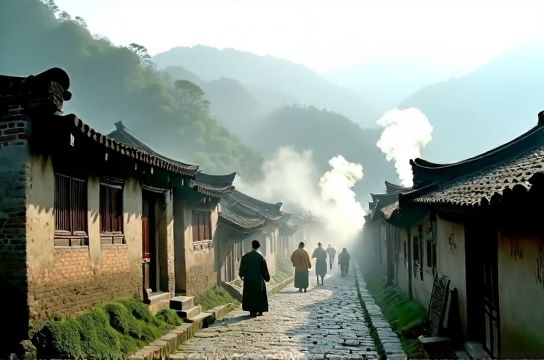
The Hakka people, a distinct Han Chinese subgroup, built these fortress-like structures between the 12th and 20th centuries for protection, kinship, and harmony with nature. UNESCO recognized 46 Tulous as World Heritage Sites in 2008, but many remain off the radar — perfect for travelers craving authenticity over Instagram fame.
Why Tulou? More Than Just Architecture
These mushroom-shaped wonders can house up to 80 families under one roof (literally!). Built from rammed earth, wood, and stone, some Tulous have stood strong for over 600 years, surviving earthquakes and wars. But what truly sets them apart is their social design: egalitarian layouts, shared courtyards, and communal kitchens reflect the Hakka values of unity and mutual support.
Want numbers? Here’s a snapshot:
| Feature | Typical Tulou Stats |
|---|---|
| Average Diameter | 50–70 meters |
| Floors | 3–5 stories |
| Families per Tulou | 30–80 |
| Construction Period | 12th–20th century |
| UNESCO Listed Tulous | 46 |
Still, only about 10% of visitors explore beyond the famous Chengqi Lou or Tianluokeng cluster. That means the rest? Pristine, peaceful, and packed with untold stories.
Off-the-Beaten-Path Tulous to Visit
- Hexiayu Tulou Cluster (Yongding): Quieter than its neighbors, this group features five interconnected Tulous where elders still gather in the central hall to play traditional string music.
- Yangxian Lou (Nanjing County): One of the oldest, dating back to 1371. Locals here grow tea using ancestral methods — ask for a homebrewed cup!
- Zhenfu Lou: Shaped like a phoenix, this lesser-known gem houses a family-run guesthouse where you can sleep like a Hakka local — no Wi-Fi, all soul.
Cultural Experiences You Won’t Find in Guidebooks
Forget staged performances. Real connection happens when you join a morning tofu-making session, learn to roll leichi (Hakka meatballs), or help harvest rice during autumn festivals. In Yangxian, I sat with Grandma Li as she stitched a traditional indigo-dyed apron — her hands moving like poetry. That’s the magic: human moments.
Pro tip: Visit between September and November. The weather’s crisp, harvest festivities are in full swing, and crowds? Virtually nonexistent.
Responsible Travel Tips
These communities thrive on respect. A few golden rules:
- Ask before photographing residents.
- Support homestays over hotels — your stay directly benefits families.
- Learn a few Hakka phrases. Even “Ngoi giah koi?” (How’s your home?) earns warm smiles.
The Hakka Tulou aren’t relics — they’re living rooms, kitchens, and hearts of vibrant communities. Step inside, slow down, and let the walls whisper their stories. This isn’t just travel; it’s transformation.