
Hiking the Southern Silk Road: Ancient Paths Through Pu’er Region
- Date:
- Views:327
- Source:The Silk Road Echo
Ever dreamed of walking where ancient tea traders once trod, with misty mountains on one side and the whispers of history in your ears? Welcome to the Southern Silk Road in China’s Pu’er region—a hidden gem for hikers craving culture, nature, and a touch of adventure. Forget crowded trails; this is slow travel at its finest.
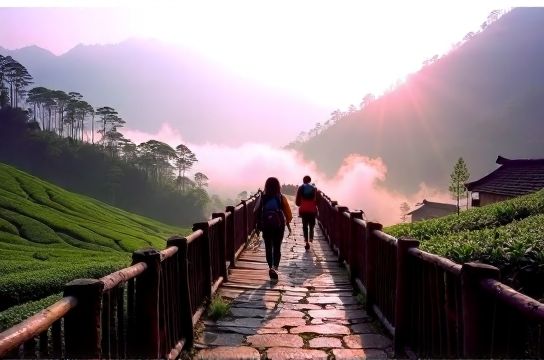
Why Hike the Southern Silk Road?
Long before Instagram made hiking trendy, merchants carried precious Pu’er tea along rugged mountain paths from Yunnan deep into Tibet and Southeast Asia. These routes, collectively known as the Nancha Gudao (Southern Tea Horse Road), spanned over 3,000 km and were lifelines of trade and cultural exchange for centuries.
Today, parts of this historic network remain intact in Pu’er City, nestled in southern Yunnan. The region’s lush subtropical forests, terraced hills, and ethnic minority villages make it a dream destination for immersive trekking.
Top Trails & Itineraries
Here are three must-walk sections, each offering a unique slice of history and scenery:
| Trail | Distance | Duration | Elevation Gain | Highlights |
|---|---|---|---|---|
| Jingmai Mountain Path | 12 km | 4–5 hrs | 480 m | Ancient tea trees, Bulang village culture |
| Nannuoshan Ridge Trail | 18 km | 6–7 hrs | 620 m | Cloud forest, Dai minority homestays |
| Xishuangbanna Border Route | 25 km (multi-day) | 2 days | 900 m | Bamboo forests, borderland temples |
Pro tip: Combine Jingmai and Nannuoshan for a 2-day loop with local guides—they’ll share stories about tea wars, horse caravans, and spirit forests you won’t find in any guidebook.
When to Go
The best time to hike is from October to December or March to May. During these months, rainfall is low, temperatures hover between 15–25°C (59–77°F), and the air is clear enough for epic sunrise shots over tea-covered ridges.
Avoid June through September—that’s monsoon season, when landslides can block trails and leeches come out to play (yes, really).
Culture Meets Conservation
What makes this trek special isn’t just the landscape—it’s the people. Over 14 ethnic groups live in Pu’er, including the Hani, Dai, and Bulang, many of whom still practice traditional tea farming.
Locals protect ancient tea trees that are hundreds—even thousands—of years old. In Jingmai alone, there are over 32,000 wild tea trees older than 100 years, forming a living museum of agro-biodiversity.
Travel Tips
- Permits: Not required for most trails, but always check with local tourism offices.
- Guides: Highly recommended. They support local economies and ensure you don’t get lost in remote areas.
- Pack: Light rain jacket, sturdy boots, insect repellent, and a reusable water filter.
- Tea breaks: Embrace them! Sharing tea with villagers is part of the journey.
Hiking the Southern Silk Road isn’t just about logging miles—it’s about stepping into a slower, richer world where every path has a story. So lace up, leave the noise behind, and let the mountains pour their secrets into your soul.