
China’s Most Scenic But Least-Known Hiking Trails: From Fujian’s Tea Mountains to Gansu’s Gorges
- Date:
- Views:297
- Source:The Silk Road Echo
Think you've seen China's great outdoors? Think again. Beyond the crowds at the Great Wall and the postcard peaks of Zhangjiajie, a wilder, quieter beauty waits for those willing to lace up their boots. We're talking mist-wrapped tea plantations, canyons carved by ancient rivers, and trails that feel like secrets whispered on the wind. Welcome to China's most scenic—but gloriously under-the-radar—hiking trails.
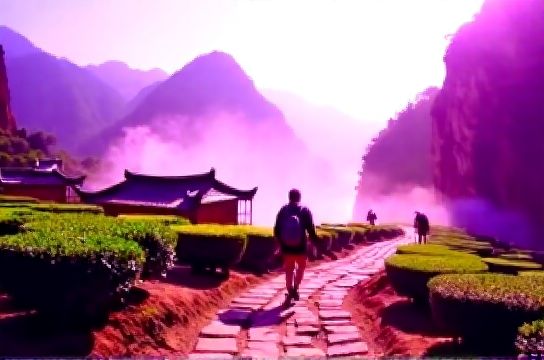
Fujian’s Wuyi Mountains: Where Tea Grows on Steep Slopes
Nestled in northern Fujian, the Wuyi Mountains aren’t just a UNESCO World Heritage site—they’re a hiker’s dream draped in emerald. This isn't your average mountain range; it's where Da Hong Pao oolong tea is born, growing on near-vertical cliffs nourished by mineral-rich streams. The Jiuqu Xi (Nine-Bend Stream) trail offers a gentle introduction—winding through bamboo groves and past towering rock spires. For the bold, the Tianyou Peak Trail climbs over 800 steps, rewarding summit-huggers with panoramic views that stretch across tea terraces and serpentine rivers.
Here’s why Wuyi stands out:
| Feature | Detail |
|---|---|
| Elevation Range | 200–2,158 meters |
| Best Time to Hike | March–May, September–November |
| Tea Culture | Home to 4 of China’s 10 most famous teas |
| Average Hiker Traffic | <1,000/day (vs. 10k+ at Huangshan) |
Gansu’s Binglingsi Gorge: A Canyon of Cliffs and Caves
If Wuyi soothes the soul, Binglingsi Gorge along the Yellow River in Gansu electrifies it. Carved over millennia, this 30-kilometer gorge hides over 600 Buddhist grottoes tucked into red sandstone cliffs. Most visitors take a boat tour—but true adventurers hike the old pilgrimage path above. The trail starts near Liujiaxia Dam and winds past crumbling stupas and cliffside shrines, with the river roaring far below.
The solitude here is staggering. While Dunhuang’s Mogao Caves draw millions, Binglingsi sees fewer than 20,000 annual hikers. And the geology? Jaw-dropping. Layers of sediment tell a story 2 million years in the making.
Why These Trails Stay Off the Radar
So why haven’t these spots trended on Instagram? Simple: access. Wuyi is reachable via high-speed rail to Wuyishan City, but rural roads lead to trailheads. Binglingsi requires a detour from the main Lanzhou-Xining corridor—plus a boat ride. Translation: no mass tourism (yet).
But that’s changing. Domestic eco-tourism is booming—up 17% annually since 2020—and local governments are building better signage and guesthouses. Now’s the time to visit before the world catches on.
Hiking Tips for Hidden China
- Go Local: Hire a village guide—they know hidden paths and tea harvest rhythms.
- Timing Is Everything: Avoid Chinese holidays (like Golden Week) when even quiet trails get busy.
- Pack Smart: Rain gear is essential in Fujian; layers are key in Gansu’s desert climate.
These trails aren’t just walks in the woods—they’re journeys into China’s ecological and cultural heart. Whether you're sipping fresh oolong after a morning hike or tracing the footsteps of ancient monks in a silent canyon, you’re not just visiting nature. You’re stepping into a living story.
So skip the selfie lines. Trade pavement for pine needles. China’s best hikes aren’t the ones everyone knows—they’re the ones waiting to be discovered.