
China’s Untamed Wilderness: Authentic Travel in Remote Mountain Regions
- Date:
- Views:284
- Source:The Silk Road Echo
If you’re craving adventure that feels raw, real, and way off the beaten path, China’s remote mountain regions are calling your name. Forget crowded tourist spots—this is where the air is crisp, the trails are wild, and every village has a story etched into its stone walls and misty peaks.
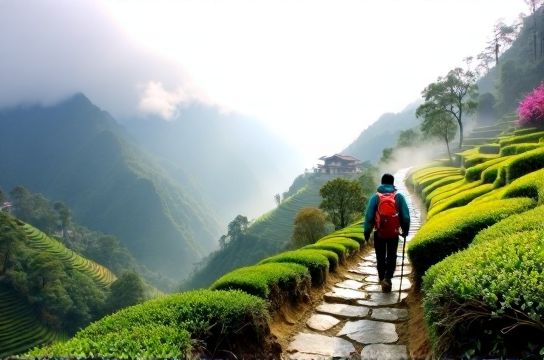
Tucked away in provinces like Yunnan, Sichuan, and Tibet, these highland hideouts offer something most travelers never get to experience: untouched nature and deep cultural roots. Think terraced hillsides carved by generations, prayer flags fluttering above icy rivers, and nomadic herders guiding yaks across endless alpine meadows.
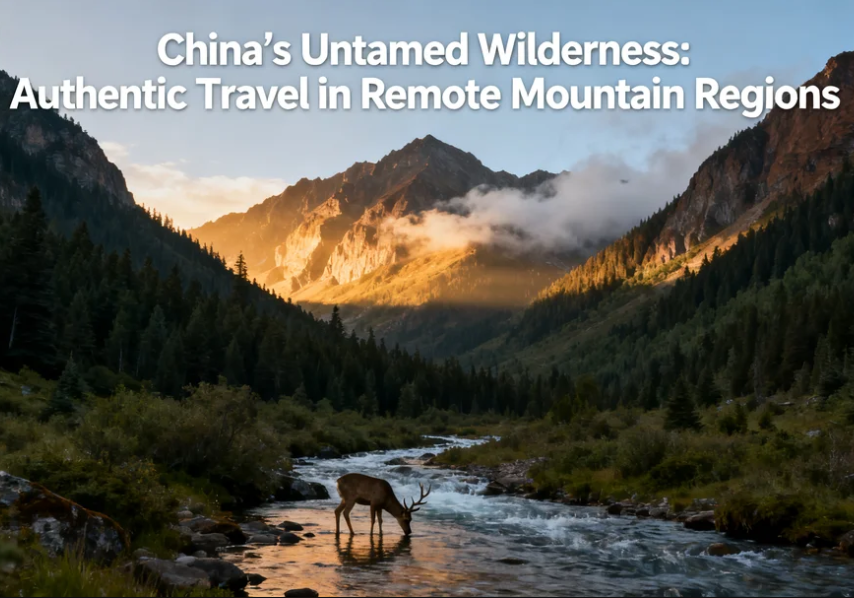
One of the coolest spots? The Hengduan Mountains. Nestled where the Tibetan Plateau drops into lush river valleys, this area is a biodiversity hotspot—and a dream for trekkers. Trails wind through rhododendron forests, past sacred lakes, and up to passes where you’ll swear you can touch the sky. And yes, you might even spot a red panda if you're lucky (and quiet).
But it’s not just about the views. The real magic lies in the people. In villages like Baima or Ngawa, traditions haven’t been packaged for tourists—they’re lived daily. Stay with local families in rustic guesthouses, sip butter tea around a fire, and listen to folk songs passed down for centuries. These moments? They can’t be faked. They’re why authentic travel still exists here.
And let’s talk logistics—getting there isn’t always easy, but that’s part of the charm. You’ll take winding roads that hug cliffs, hop on shared minibuses with farmers and monks, and maybe even hike the last few kilometers to reach a hidden hamlet. No Wi-Fi? Perfect. This is where you actually *feel* alive.
Of course, with great beauty comes responsibility. These ecosystems and cultures are fragile. That means traveling slow, respecting local customs, and leaving zero trace. Support community-run homestays, avoid single-use plastics, and always ask before snapping photos of people. Sustainable travel isn’t a trend here—it’s survival.
Whether you're summiting a 5,000-meter pass or sharing dumplings with a Tibetan grandma, one thing’s clear: this isn’t just a trip. It’s a connection—to land, to people, to something ancient and unspoiled.
So ditch the guidebook clichés. Swap polished resorts for dirt-floor teahouses and GPS signals for star-filled skies. China’s mountain backcountry isn’t just a destination. It’s a reminder of what real exploration feels like.