
Trekking Through Remote China: Hiking Trails Beyond the Tourist Map
- Date:
- Views:379
- Source:The Silk Road Echo
If you're all about off-the-beaten-path adventures and crave trails where the air is fresh and the views are wild, then remote China should be at the top of your hiking bucket list. Forget the crowds at the Great Wall—this is about raw, untouched nature, ancient villages, and landscapes so epic they’ll make your Instagram followers lose their minds.

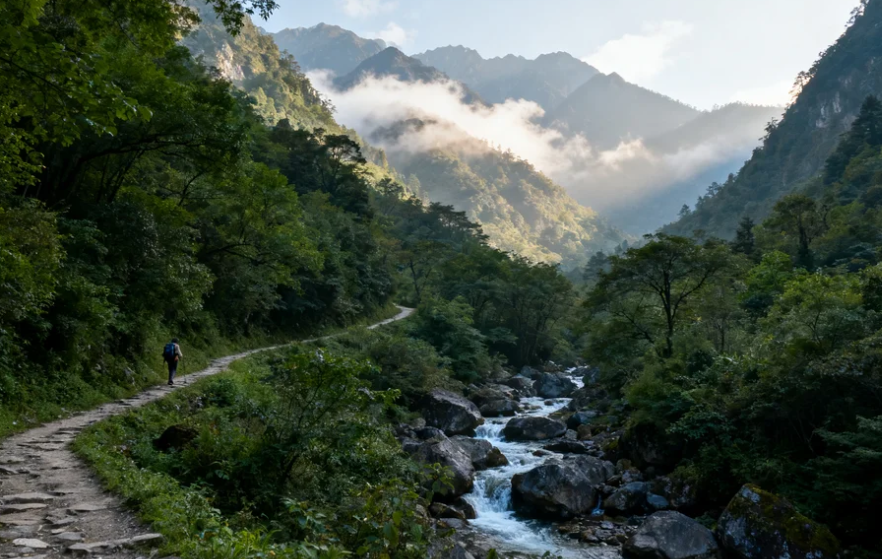
Let’s talk real trekking—like strapping on your boots and heading into the misty mountains of Yunnan, where the Tiger Leaping Gorge trail slices through one of the deepest canyons in the world. This isn’t your weekend stroll in the park. We’re talking steep climbs, river crossings, and teahouse stays with local Naxi families who’ll feed you homemade buckwheat pancakes like you’re family. The trail runs between Jade Dragon Snow Mountain and Haba Snow Peak, and trust me, sunrise from Halfway Lodge? Pure magic.
But wait—there’s more. Head further west to Sichuan and dive into the sacred lands around Mount Gongga (also known as Minya Konka). At over 7,500 meters, it’s not just tall—it’s spiritual. Local Tibetan communities believe this peak is home to mountain gods, and when you’re standing in a valley surrounded by prayer flags flapping in the wind, you kinda get it. The Gongga Shan Trek takes you through alpine meadows, yak pastures, and remote monasteries where time feels frozen.
And how about Xinjiang? Most people think deserts and Silk Road markets, but the Tien Shan mountain range hides some seriously underrated treks. The Kanas Lake region offers crystal-clear lakes, dense pine forests, and nomadic Kazakh herders riding horseback like something out of a fantasy novel. The trail to Hemu Village? Straight-up storybook vibes.
Now, let’s keep it real—these hikes aren’t always easy. You won’t find fancy resorts or Wi-Fi every few miles. That’s kind of the point. You’ll need decent fitness, solid gear, and maybe a local guide (especially in restricted areas). Permits? Yeah, sometimes. But that’s what keeps these places pristine.
The best part? You’re not just ticking boxes—you’re experiencing cultures that have lived in harmony with these mountains for centuries. From sharing butter tea with monks to sleeping in wooden guesthouses with no electricity, it’s travel with soul.
So if you’re tired of cookie-cutter tours and want to feel like a true explorer, pack your bag, lace up, and go chase those hidden trails. Remote China isn’t just a destination—it’s a vibe.