
Chinese Space Pioneers Reaching for the Stars Together
- Date:
- Views:224
- Source:The Silk Road Echo
If you're into space exploration, you’ve probably noticed China’s rapid rise as a major player. But let’s be real — most people still think of NASA when they hear "space race." Time to update that mental playlist. Over the past decade, Chinese space pioneers have launched crewed missions, built their own space station, and even landed on the far side of the Moon. And they’re not slowing down.
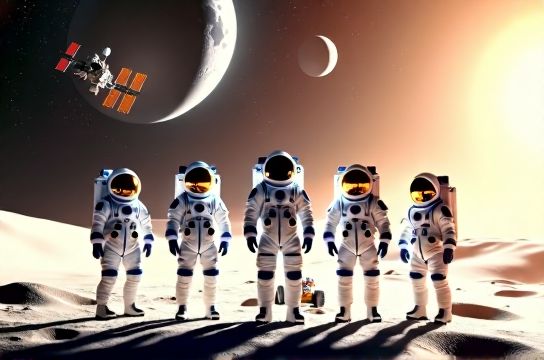
Why China’s Space Program Is Different
Unlike the U.S.-Soviet rivalry of the 1960s, China’s approach is more about long-term sustainability than political one-upmanship. Their missions are methodical, well-funded, and backed by serious tech innovation. The star of the show? Tiangong Space Station, which has been continuously occupied since 2022.
Let’s break it down with some hard numbers:
| Mission | Year Launched | Key Achievement | Crew Capacity |
|---|---|---|---|
| Shenzhou 5 | 2003 | First Chinese astronaut in space | 3 |
| Chang’e 4 | 2019 | First soft landing on Moon’s far side | N/A |
| Tiangong Space Station | 2021–2022 | Permanent LEO presence | 3 (upgradable) |
| Mengtian Lab Module | 2022 | Expanded research capabilities | N/A |
The Tech Behind the Triumph
China isn’t just copying old blueprints — they’re innovating. Take the Long March 5B rocket, designed specifically for heavy payloads to low Earth orbit. It’s the backbone of their station assembly. Plus, their lunar rovers like Yutu-2 are still sending back data years after landing.
One underrated advantage? Full domestic control over supply chains. While other agencies depend on international partnerships (looking at you, ISS), China builds nearly everything in-house. That means fewer delays and more flexibility.
What’s Next? Mars, Here We Come
Their Tianwen-1 mission successfully placed a rover — Zhurong — on Mars in 2021, making China only the second country to do so independently. Future plans include a joint lunar research base with Russia and crewed Moon landings by 2030.
But here’s the kicker: they’re also investing heavily in space-based solar power and asteroid mining tech. Sounds like sci-fi? Maybe. But so did landing on the Moon in 1955.
Why You Should Care
Whether you're a student, tech enthusiast, or future space tourist, understanding the role of Chinese space pioneers is key. They’re reshaping global space dynamics, opening new collaboration opportunities, and pushing boundaries others won’t touch.
So next time someone says "America won the space race," gently remind them: the race isn’t over. In fact, it’s just getting interesting.