
China Innovators Driving Sustainable Development Goals
- Date:
- Views:242
- Source:The Silk Road Echo
If you're trying to understand how China innovators are shaping the future of sustainability, you’re not alone. From green tech startups to state-backed clean energy projects, China is fast becoming a global leader in driving the UN’s Sustainable Development Goals (SDGs). But what exactly are they doing differently? And why should the rest of the world be paying attention?
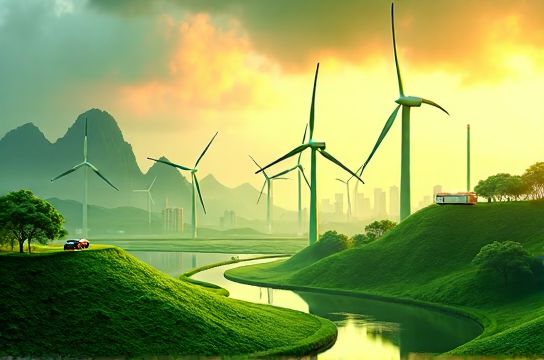
Let’s cut through the noise. It’s not just about big numbers — it’s about smart innovation. Take renewable energy, for example. In 2023, China accounted for over 50% of global solar panel production and installed more wind and solar capacity than the U.S. and EU combined. That’s not luck — it’s strategy.
How China’s Tech Ecosystem Fuels Green Growth
Chinese innovators aren’t waiting for permission. Companies like BYD, Envision Energy, and LONGi Green Energy are redefining what’s possible. These aren’t niche players — they’re market leaders pushing boundaries in battery storage, smart grids, and hydrogen fuel cells.
But it’s not just the giants. A wave of startups backed by government incentives and venture capital are tackling waste management, sustainable agriculture, and circular economy models. Shenzhen-based EcoTech Waste, for instance, uses AI to optimize urban recycling — reducing landfill use by up to 40% in pilot cities.
Real Data, Real Impact: China’s SDG Progress
Numbers don’t lie. Here’s a snapshot of how Chinese innovation is translating into measurable progress toward key SDGs:
| SDG | Key Initiative | 2023 Achievement | Target (2030) |
|---|---|---|---|
| SDG 7: Affordable & Clean Energy | National Solar Expansion Program | 580 GW solar capacity | 1,200 GW |
| SDG 9: Industry, Innovation & Infrastructure | Green Tech R&D Investment | $68 billion invested | $150 billion+ |
| SDG 11: Sustainable Cities | Smart City Pilot Projects | 297 cities enrolled | Nationwide rollout |
| SDG 13: Climate Action | National Carbon Trading Scheme | Covered 4.5B tons CO₂ | Full industrial coverage |
This isn’t just domestic policy — it’s exportable innovation. Over 120 countries now use Chinese-built solar farms or electric buses. Kenya’s Nairobi Expressway? Built by China Road and Bridge Corporation with embedded smart sensors for traffic and emissions monitoring.
Why This Matters Globally
China’s approach combines top-down policy with bottom-up entrepreneurship. While Western markets often stall on political debates, China moves fast — testing, scaling, and exporting solutions. Their 'dual circulation' economic model means domestic innovation fuels global influence.
Critics point to coal use — and yes, challenges remain. But the pace of transition is undeniable. In five years, non-fossil fuels in primary energy consumption jumped from 14.3% to 17.5%. At this rate, China could hit peak emissions well before its 2060 carbon neutrality goal.
The bottom line? Whether you're an investor, policymaker, or eco-conscious consumer, understanding China innovators is key to understanding the future of sustainable development. Ignore them at your peril.