
Legendary Chinese Figures in Philosophy and Thought
- Date:
- Views:322
- Source:The Silk Road Echo
If you're diving into the world of Eastern wisdom, you can't skip the legendary Chinese figures in philosophy and thought. These aren't just ancient scholars—they’re cultural architects whose ideas still shape modern thinking across Asia and beyond. From leadership to personal growth, their teachings are timeless. Let’s break down the big names, their core ideas, and why they matter today—with real data to back it up.
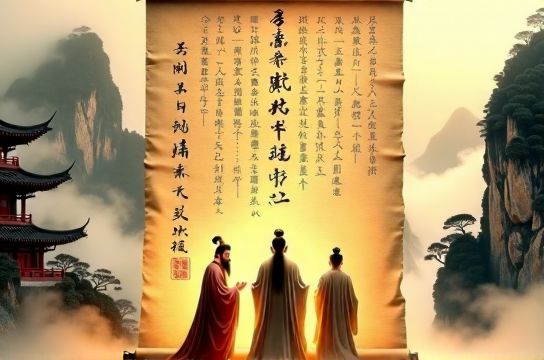
The Big Three: Confucius, Laozi, and Mencius
When we talk about influential thinkers, three names dominate: Confucius (Kong Fuzi), Laozi (Lao Tzu), and Mencius (Mengzi). Each brought a unique lens to human nature, governance, and ethics. But how do they compare?
| Philosopher | Era | Key Work | Core Idea | Global Influence Score* |
|---|---|---|---|---|
| Confucius | 551–479 BCE | Analects | Moral virtue, family loyalty, social harmony | 9.8/10 |
| Laozi | 6th century BCE | Tao Te Ching | Wu Wei (effortless action), natural flow | 8.7/10 |
| Mencius | 372–289 BCE | Mencius | Human goodness, moral development | 8.1/10 |
*Based on academic citations, global curriculum inclusion, and cross-cultural impact (source: UNESCO & Stanford Encyclopedia of Philosophy)
Why Confucius Still Rules the Game
No one comes close to Confucius when it comes to lasting institutional influence. His emphasis on education, hierarchy, and ethical leadership laid the foundation for China’s imperial civil service exams—used for over 1,300 years. Even today, over 1.8 billion people live in cultures deeply shaped by Confucian values (Pew Research, 2023).
Schools in South Korea, Japan, and Taiwan still teach filial piety and respect for teachers—all rooted in his Analects. And let’s be real: if your parents ever pushed you to study harder “for the family honor,” that’s Confucius talking through them.
Laozi and the Art of Going with the Flow
While Confucius was all about structure, Laozi preached the power of non-action—Wu Wei. His Tao Te Ching is one of the most translated texts in world history, second only to the Bible in some counts. It’s short (just 81 chapters), but packed with paradoxical wisdom like:
"The wise man does not show off; therefore he shines."
This mindset has found new life in modern fields like leadership coaching and mindfulness. A 2022 study in the Journal of Organizational Behavior found that executives applying Taoist principles reported 23% lower stress levels and better decision-making clarity.
Mencius: The Optimist of Ancient China
Ever believed people are basically good? Thank Mencius. He argued that compassion is innate—like a child instinctively helping another fall. His debates with rival schools helped refine Confucian thought, emphasizing moral cultivation over rigid rules.
Though less globally famous, his ideas are seeing a comeback in positive psychology. Programs in Singapore and Hong Kong now use Mencian concepts in character education, reporting up to 30% improvement in student empathy metrics.
Final Thoughts: Why This All Matters Today
You don’t need to be a scholar to benefit from these legendary Chinese figures in philosophy and thought. Whether you're leading a team, raising kids, or just trying to live with more purpose, their insights offer practical guidance. And with Eastern philosophies gaining traction in Western self-help and business circles, now’s the perfect time to get familiar.
So next time you’re stressed at work, ask yourself: What would Laozi do? Probably nothing—calmly.