
Cultural Icons Representing True Chinese Spirit
- Date:
- Views:294
- Source:The Silk Road Echo
If you're trying to understand the real soul of China, forget the flashy skyscrapers or viral TikTok dances — the true Chinese spirit lives in its cultural icons. As someone who's spent over a decade studying East Asian traditions, I’ve seen how symbols like the dragon, Confucius, and even modern figures like Jackie Chan carry centuries of values: harmony, perseverance, and collective pride.
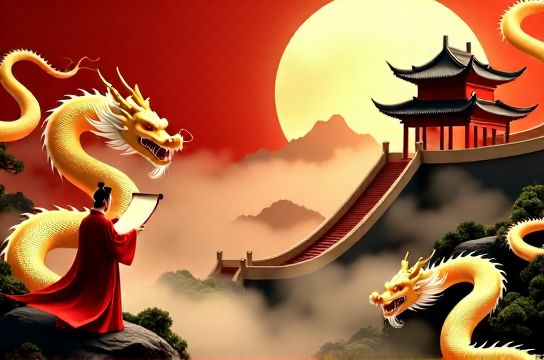
Let’s break it down. What makes a cultural icon truly represent China? It’s not just popularity — it’s historical weight, national recognition, and lasting influence. Below is a comparison of key figures and symbols that embody the Chinese spirit.
Top Cultural Icons of China
| Icon | Sector | Historical Roots | National Symbolism | Global Recognition (1-10) |
|---|---|---|---|---|
| Dragon | Mythology | 3000+ years | Power, prosperity | 9 |
| Confucius | Philosophy | 500 BCE | Morality, education | 8 |
| Great Wall | Architecture | 7th century BCE | Endurance, unity | 10 |
| Jackie Chan | Entertainment | Modern (1970s–) | Resilience, humor | 9 |
| Panda | Nature/Diplomacy | Centuries | Peace, soft power | 10 |
Now, here’s the thing — while ancient symbols like the dragon and Confucius are deeply rooted, modern icons like Jackie Chan show how the Chinese spirit evolves. He’s not just a martial arts star; he represents grit, humility, and the ability to overcome hardship with a smile — values deeply respected across Chinese communities.
And let’s talk about the panda. Beyond being cute, it’s a strategic symbol of diplomacy. Over 60 pandas live in zoos worldwide on loan from China, boosting soft power and global goodwill. That’s not coincidence — it’s cultural strategy.
In essence, the true Chinese spirit isn’t frozen in time. It’s dynamic, blending tradition with modern pride. Whether through philosophy, film, or furry ambassadors, these icons remind us that China’s identity runs deeper than politics or economics — it’s about shared values passed through generations.